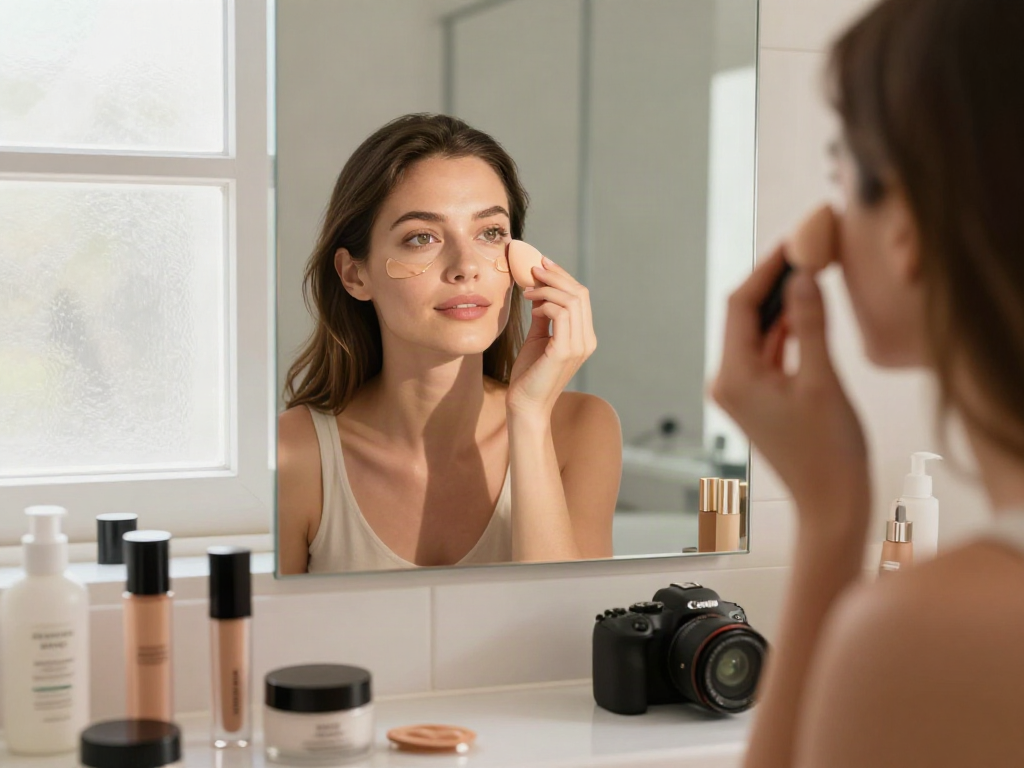
Understanding the Test of Attractiveness
The concept of attractiveness has fascinated humans for centuries, shaping social interactions and personal identities. In our digital age, the test of attractiveness offers insightful metrics to evaluate one's attractiveness based on various facial features. This article delves into what attractiveness tests are, how they measure beauty, and their implications in contemporary society.
What is an Attractiveness Test?
An attractiveness test is a digital tool that evaluates an individual's facial characteristics to generate an attractiveness score. Users typically upload a photo, and advanced algorithms analyze several factors like symmetry, proportions, and features that align with conventional beauty standards. These tests have gained popularity, especially on social media platforms, as individuals seek external validation of their looks. While these tests can provide interesting insights, they are not definitive measures of an individual’s worth or desirability.
How the Test Measures Beauty Factors
Attractiveness tests utilize various methodologies to quantify beauty. Common metrics include:
- Facial Symmetry: Studies suggest that symmetrical faces are often perceived as more attractive. The tests assess the alignment and proportions of facial features.
- The Golden Ratio: This mathematical ratio, approximately 1.618, is considered aesthetically pleasing. Tests may compare facial ratios to this formula to generate attractiveness scores.
- Facial Landmarks: Using AI, these tests detect specific points on the face to evaluate alignment and proportion.
Benefits and Limitations of Attractiveness Tests
There are several advantages and disadvantages to consider when engaging with attractiveness tests:
- Benefits:
- Limitations:
Decoding Attractiveness Metrics
To understand your attractiveness test results, it's essential to grasp the underlying beauty metrics employed in these evaluations. Let's explore the most significant factors that influence perceptions of attractiveness.
Facial Symmetry and Its Impact on Attractiveness
Facial symmetry plays a crucial role in the perception of beauty. Research indicates that symmetrical faces are often rated more attractive by a diverse group of people. This preference may stem from evolutionary perspectives, as symmetry is commonly associated with good health and genetic fitness. Attractiveness tests leverage facial symmetry to calculate scores, providing a tangible measure of this quality.
The Role of the Golden Ratio in Beauty Perception
The Golden Ratio, originating from ancient Greek mathematics, continues to influence modern perceptions of beauty. Faces that approximate this divine proportion are often deemed more attractive. Beauty tests analyze various facial measurements in relation to the Golden Ratio to derive an attractiveness score. This mathematical approach offers a structured way to assess beauty beyond mere personal opinion.
Common Misconceptions About Beauty Tests
Despite their growing popularity, there are misconceptions surrounding attractiveness tests. For instance, many people assume that these scores are definitive indicators of beauty, overlooking the subjective nature of attractiveness. Additionally, some believe that enhancing one's score will inherently lead to improved self-esteem, which is not always the case. It’s crucial to approach these tests with a balanced perspective, acknowledging their potential entertainment value while understanding their limitations.
How to Interpret Your Attractiveness Score
Interpreting your attractiveness score can be a subjective experience. It's essential to consider not only the numerical value but also the context behind it. Here’s how to make sense of your results.
Understanding Your Results: Key Takeaways
When you receive your attractiveness score, reflect on the metrics that contributed to this number. Consider the qualities that are typically celebrated in beauty standards, but remember that beauty is diverse and multifaceted. Your score does not define you; it’s simply one perspective on your appearance.
Using Feedback for Self-Improvement
Attractiveness tests can provide constructive feedback that can lead to personal growth. If your results highlight areas you wish to enhance, consider practical steps you can take, such as improving skincare routines or enhancing your smile through dental care. It's important to pursue self-improvement in a positive and healthy manner, rather than striving for an often unattainable ideal.
Social Implications of Attractiveness Testing
The rise of attractiveness tests has significant social implications. They can affect how individuals perceive themselves and each other, particularly in arenas like dating and social media. Understanding the feedback from these tests can be empowering for some, offering a chance to embrace personal beauty, while for others, it might ignite insecurities. Striking a balance between self-acceptance and the desire for improvement is crucial in navigating these dynamics.
Real-Life Applications of Attractiveness Testing
Attractiveness tests are increasingly integrated into various facets of life, from dating to personal branding. Here are some real-world contexts in which these tests are utilized.
Enhancing Online Dating Profiles
In the world of online dating, attractiveness plays a significant role in initial interactions. By using an attractiveness test, individuals can gain insights into how they present themselves in their profile pictures. This feedback can guide users on optimizing their images to attract potential matches while aligning with their authentic selves.
Using Tests for Personal Branding and Social Media
On social media, visual appeal is key to personal branding. Influencers and individuals alike can leverage attractiveness tests to refine their online presence. By understanding how their facial features are perceived, they can tailor their content to resonate better with their audience, ultimately building a stronger personal brand.
Case Studies: Success Stories of Attendees
Numerous individuals have reported positive changes after taking attractiveness tests. For example, users have shared stories of newfound confidence and improved dating experiences. By using feedback from these tests, they have altered their grooming habits or photography styles, which have led to enhanced personal satisfaction and social success.
Future Trends in Attractiveness Testing
As technology continues to evolve, so too does the landscape of attractiveness testing. New innovations and shifting societal standards shape the future of beauty assessments.
Innovations in AI and Beauty Technologies by 2026
By 2026, advancements in artificial intelligence are expected to revolutionize attractiveness testing. More sophisticated algorithms will likely provide deeper insights into beauty metrics, including the emotional aspects of facial expressions. These developments could lead to more personalized attractiveness assessments that consider individual preferences and cultural differences.
Shifts in Beauty Standards and Cultural Perceptions
Beauty standards are continually evolving, influenced by cultural movements, media representation, and societal changes. The future may see a broader acceptance of diverse beauty, shifting away from traditional metrics of attractiveness. As these changes occur, attractiveness tests will need to adapt, embracing inclusivity and varied standards.
Ethical Considerations in Attractiveness Assessments
The rise of attractiveness tests brings forth ethical considerations regarding mental health and societal pressures. It is crucial to ensure that such tests are used responsibly and promote positive self-image rather than feed into harmful beauty standards. Ongoing discussions about the ethics of beauty assessments will shape how these tools are developed and implemented in the future.
What are the benefits of taking a test of attractiveness?
Taking an attractiveness test can offer insights into how one’s appearance aligns with societal standards. It can help identify strengths and areas for improvement, potentially boosting confidence and encouraging personal growth.
Are attractiveness tests scientifically valid?
While many attractiveness tests use established principles such as symmetry and the Golden Ratio, their scientific validity can vary. It’s important to approach these tests with a critical mindset and recognize their limitations.
How can I use my attractiveness score effectively?
Your attractiveness score can serve as a foundation for self-reflection and improvement. Utilize the feedback to enhance your self-presentation, whether through grooming, makeup, or photography techniques.
What are the most common metrics used in attractiveness tests?
The most common metrics include facial symmetry, proportions based on the Golden Ratio, and the placement of specific facial features. Each of these contributes to the overall attractiveness score generated by the test.
Can attractiveness tests impact mental health?
Yes, attractiveness tests can significantly influence mental health, often amplifying insecurities or self-doubt. It’s essential to maintain a balanced perspective and approach the results in a way that promotes positive self-esteem.