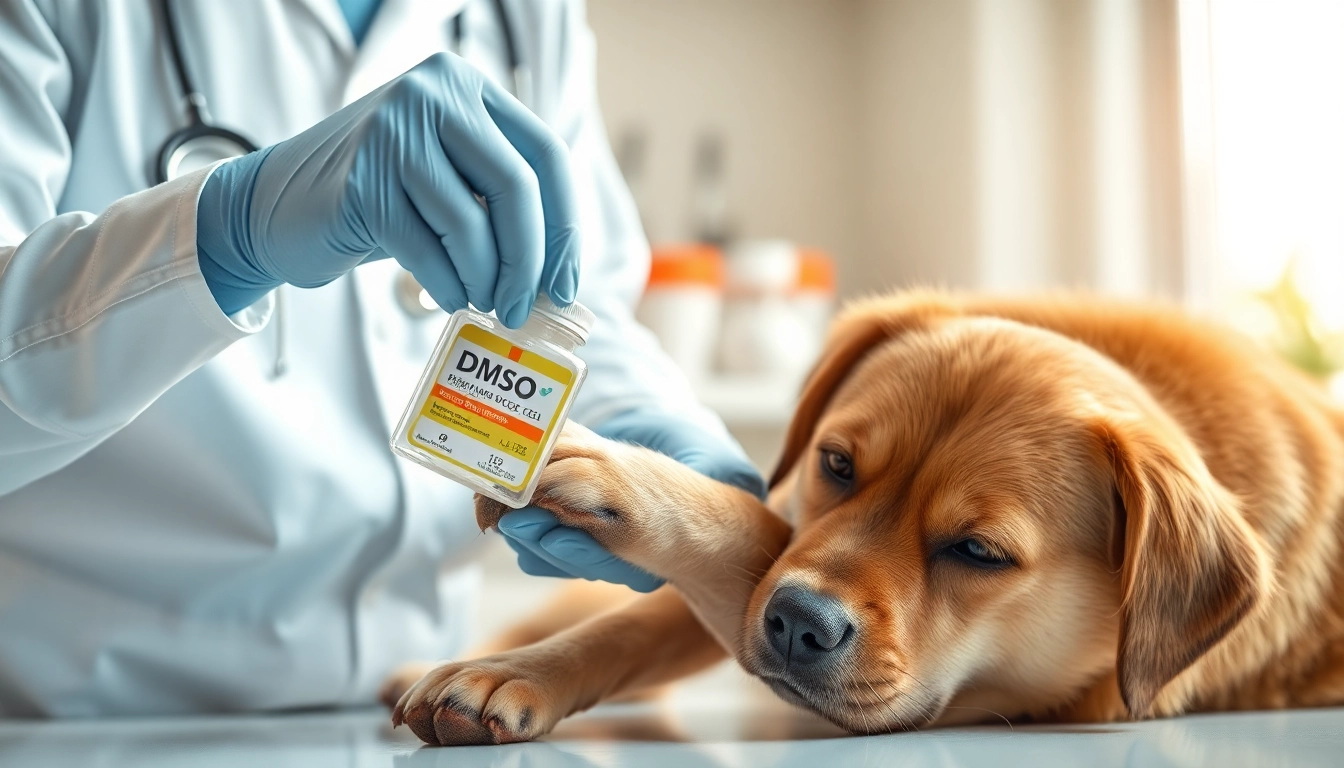
Understanding DMSO for Dogs
DMSO, or dimethyl sulfoxide, is a solvent that has gained popularity in both human and veterinary medicine due to its unique properties. Originally developed as an industrial solvent, DMSO has been found to have therapeutic effects that make it particularly beneficial for dogs suffering from various ailments. For instance, it can penetrate biological membranes rapidly, allowing it to carry other medications with it and providing a rapid means to alleviate pain and inflammation. In this article, we will delve into the specifics of using dmso for dogs, its benefits, administration methods, potential risks, and more.
What is DMSO and How Does It Work?
DMSO is a colorless liquid derived from wood pulp, known for its ability to dissolve a wide range of polar and nonpolar compounds. In veterinary medicine, it works primarily as an analgesic and anti-inflammatory agent. Its ability to penetrate the skin and facilitate the transport of other drugs makes it useful in treating various conditions, particularly musculoskeletal disorders and skin conditions. When applied topically, DMSO can provide quick relief to pets by reducing inflammation and pain, fundamentally altering the chemical processes at the site of injury or inflammation.
Common Uses of DMSO for Dogs
DMSO is commonly used in veterinary practice for several conditions, including:
- Joint Pain and Inflammation: It is frequently administered to dogs suffering from arthritis or joint injuries.
- Skin Conditions: DMSO has been shown to be effective against conditions such as acral lick dermatitis and other forms of dermatitis.
- Wound Healing: Its properties can accelerate healing processes in wounds and surgical sites.
- Chemotherapy Support: Used to reduce skin damage resulting from chemotherapy treatments.
Benefits of DMSO for Dogs
The use of DMSO offers numerous benefits for dogs, particularly in terms of pain management and injury recovery. Some of the most notable benefits include:
- Fast Pain Relief: DMSO acts quickly to alleviate pain, which is particularly beneficial for dogs with acute conditions.
- Reduces Inflammation: It effectively reduces swelling and inflammation, making it advantageous for chronic conditions like arthritis.
- Enhances Healing: DMSO encourages faster healing of injuries and skin conditions, allowing dogs to regain their normal activity levels more quickly.
- Versatile Usage: Its ability to be administered topically or via injection provides flexibility in treatment approaches.
Administration Methods of DMSO for Dogs
Topical Application of DMSO
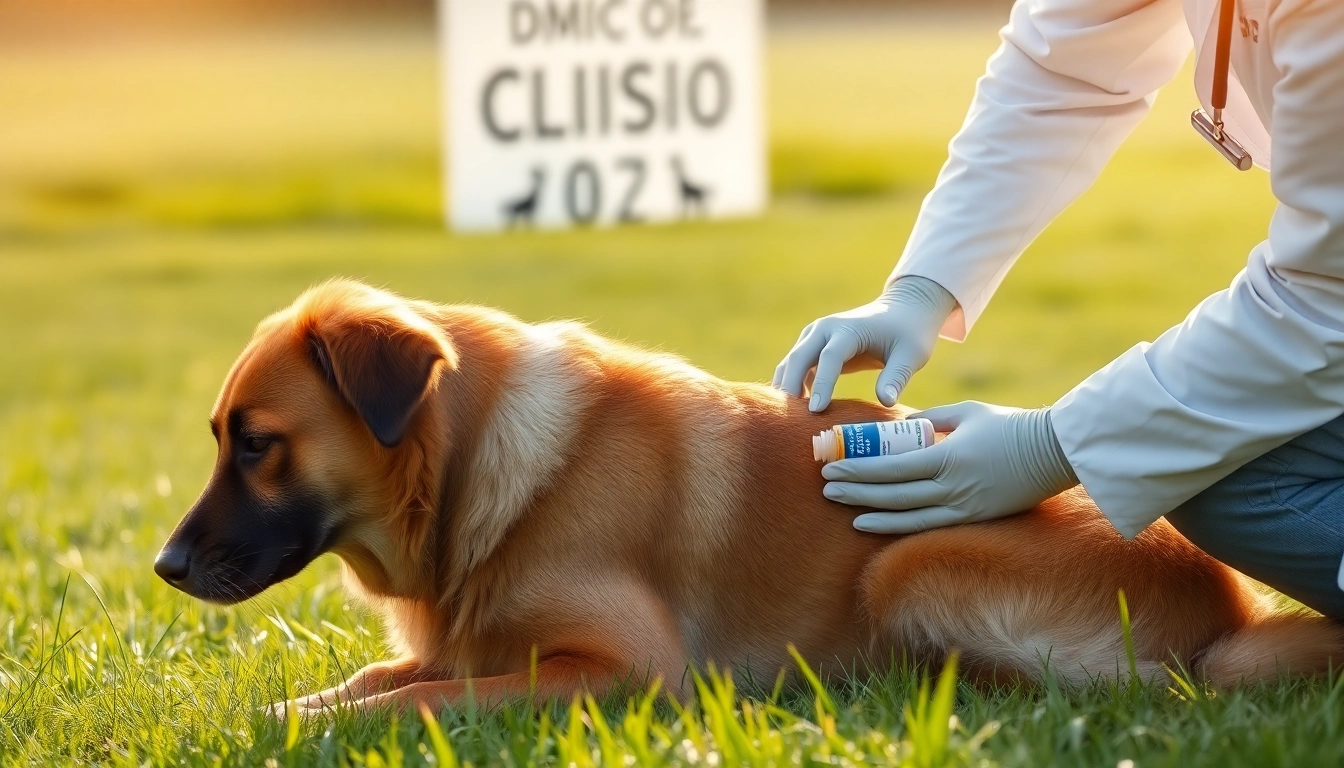
The most common method of administering DMSO for dogs is through topical application. This method allows for direct application to the affected area, ensuring that the DMSO penetrates the skin rapidly. Here’s how to apply it:
- Clean the affected area thoroughly.
- Apply the DMSO solution generously, covering the entire affected region.
- Massage gently to promote absorption into the skin.
- Wash your hands immediately after using DMSO to avoid transferring it to unintended areas.
Note that DMSO can carry other substances with it, so it is crucial to ensure that no harmful substances are present on the skin before application.
Injections: How and When to Use
Injections of DMSO can be utilized in more critical scenarios, such as severe pain management or when rapid absorption is essential. Administering DMSO via injection typically requires veterinary expertise, as improper injections can lead to complications. It's primarily indicated for:
- Severe inflammatory conditions where immediate intervention is necessary.
- Situations where a more targeted treatment is required, such as systemic internal injuries.
Always consult with a veterinarian for proper dosages and procedures for injections.
Dosage Guidelines for DMSO for Dogs
Determining the right dosage of DMSO for dogs is crucial to ensure safety and effectiveness. Here are some general guidelines:
- Topical Dosage: Typical application involves a thin layer applied directly to the affected area every 6 hours, but the total daily dosage should not exceed 20 grams.
- Injection Dosage: This will vary based on the condition being treated; dosages should always be determined by a qualified veterinarian.
Maintaining accurate dosage is vital, as excessive amounts can lead to side effects.
Potential Side Effects and Risks
Common Side Effects of DMSO for Dogs
While DMSO is generally considered safe, it is essential to be aware of potential side effects that can occur, including:
- Skin irritation or rash at the application site.
- Unpleasant garlic-like taste or odor in the dog's mouth after exposure.
- Allergic reactions in sensitive individuals.
Monitoring your dog after initial treatment can help catch adverse reactions early.
When to Avoid Using DMSO
There are specific situations in which DMSO should not be used, such as:
- In dogs with known allergies to sulfoxides.
- If the skin around the application area contains open wounds or infections, as it can allow harmful substances to enter the bloodstream.
- For pregnant or nursing dogs unless prescribed by a veterinarian.
Always seek professional advice before starting DMSO treatment.
Consulting Your Veterinarian
Due to the complexities involved in administering DMSO, it is critical to consult your veterinarian prior to use. They can provide tailored advice based on your dog's medical history and specific needs, ensuring safe and effective treatment.
Alternative Uses and Studies on DMSO for Dogs
DMSO for Arthritis and Joint Pain
Research suggests that DMSO is particularly beneficial for dogs suffering from arthritis and joint pain due to its anti-inflammatory properties. Studies indicate a significant decrease in pain and increased mobility in dogs treated with DMSO compared to control groups.
DMSO's Role in Treating Skin Conditions
DMSO has been effective in managing various skin conditions, particularly those associated with inflammation and irritation. Its ability to enhance penetration makes it a viable option for treating dermatitis and hot spots, leading to quicker symptom relief and healing.
Research Findings on DMSO for Dogs
Several studies have investigated the efficacy of DMSO in veterinary medicine, revealing promising results regarding its safety and effectiveness. Reports indicate that when used properly, DMSO can significantly improve the quality of life in dogs by alleviating pain and promoting healing without the severe side effects common with other medications.
FAQs About DMSO for Dogs
What is the typical dosage of DMSO for dogs?
Typical DMSO dosage involves topical application every 6 hours, not exceeding 20 grams per day. For injections, consult a veterinarian.
Can DMSO be used for all dog breeds?
DMSO can be used across breeds but should be recommended by a veterinarian, considering the dog's health history and specific conditions.
What are the signs of an allergic reaction to DMSO?
Signs may include rash, swelling, itching, or gastrointestinal upset. If these occur, discontinue use and consult a veterinarian.
How often can DMSO for dogs be applied?
DMSO can usually be applied every 6 hours topically; however, frequency may vary based on veterinary advice.
Is there a specific way to store DMSO?
DMSO should be stored in a cool, dry place away from direct sunlight and out of reach of pets and children.