Understanding DMSO for Dogs
What is DMSO?
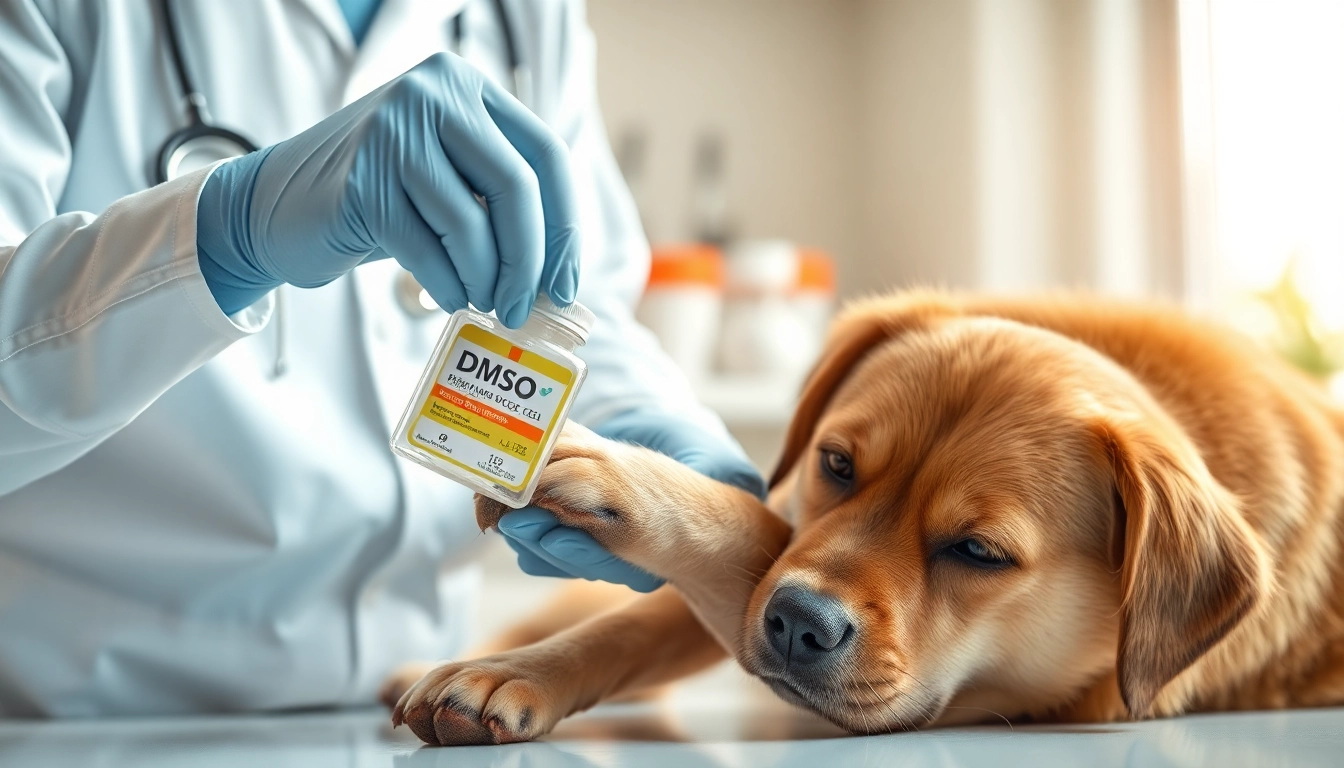
Dimethyl Sulfoxide (DMSO) is a colorless, odorless liquid with unique properties making it a popular compound in both veterinary and human medicine. Originally developed as a solvent for industrial use, DMSO quickly gained attention for its therapeutic benefits. It functions primarily as a pain reliever and anti-inflammatory agent when applied topically, making it a viable option for various conditions in dogs.
How DMSO Works in Dogs
DMSO penetrates biological membranes rapidly and is absorbed through the skin, which allows it to deliver its active ingredients directly to affected tissues. Once applied, it can effectively reduce inflammation, alleviate pain, and promote healing by enhancing the absorption of other medications. Its ability to scavenge free radicals and lower harmful calcium influx makes it attractive for treating injuries and chronic conditions in dogs.
Common Applications of DMSO for Dogs
DMSO has been used to treat a variety of conditions in dogs, including:
- Joint pain and arthritis
- Skin conditions such as calcinosis cutis
- Wounds and injuries, including post-surgical recovery
- Inflammation related to chemotherapy
- Acral lick dermatitis
For more detailed information about its applications, you can explore dmso for dogs.
Benefits of DMSO for Dogs
Pain Relief and Inflammation Reduction
One of the most significant advantages of DMSO is its potent anti-inflammatory properties. Many dogs suffer from arthritis or joint pain due to age or injury. DMSO can provide nearly immediate relief by reducing swelling and discomfort when applied locally. Studies have shown that dogs treated with DMSO tend to have improved mobility and quality of life, especially in cases where traditional medications might be less effective.
Wound Healing and Skin Conditions
DMSO’s ability to absorb through the skin makes it an effective treatment for various skin conditions. It can accelerate healing in wounds and abrasions. Regular use can also alleviate symptoms associated with chronic skin conditions, such as itching and irritation. The compound assists in the regeneration of skin cells, which is crucial for recovery post-surgery or injury.
Comparative Advantages Over Other Treatments
While there are many available treatments for pain and inflammation in dogs, DMSO presents unique benefits. For instance, unlike non-steroidal anti-inflammatory drugs (NSAIDs), DMSO does not typically lead to gastrointestinal upset or ulcers. Its application can lead to faster onset of action due to rapid absorption, making it a preferred choice in acute situations.
How to Use DMSO for Dogs
Recommended Dosage Guidelines
The recommended dosage for DMSO varies depending on the condition being treated, but a general guideline is to apply a thin layer to the affected area up to three times a day. However, it’s essential not to exceed 20 grams in total per day for dogs. Always consult with a veterinarian to establish the appropriate dosage for individual dogs, considering their size, health status, and specific needs.
Application Techniques
Applying DMSO requires careful attention to avoid unwanted side effects. Here are steps to follow:
- Clean the area thoroughly to avoid introducing contaminants.
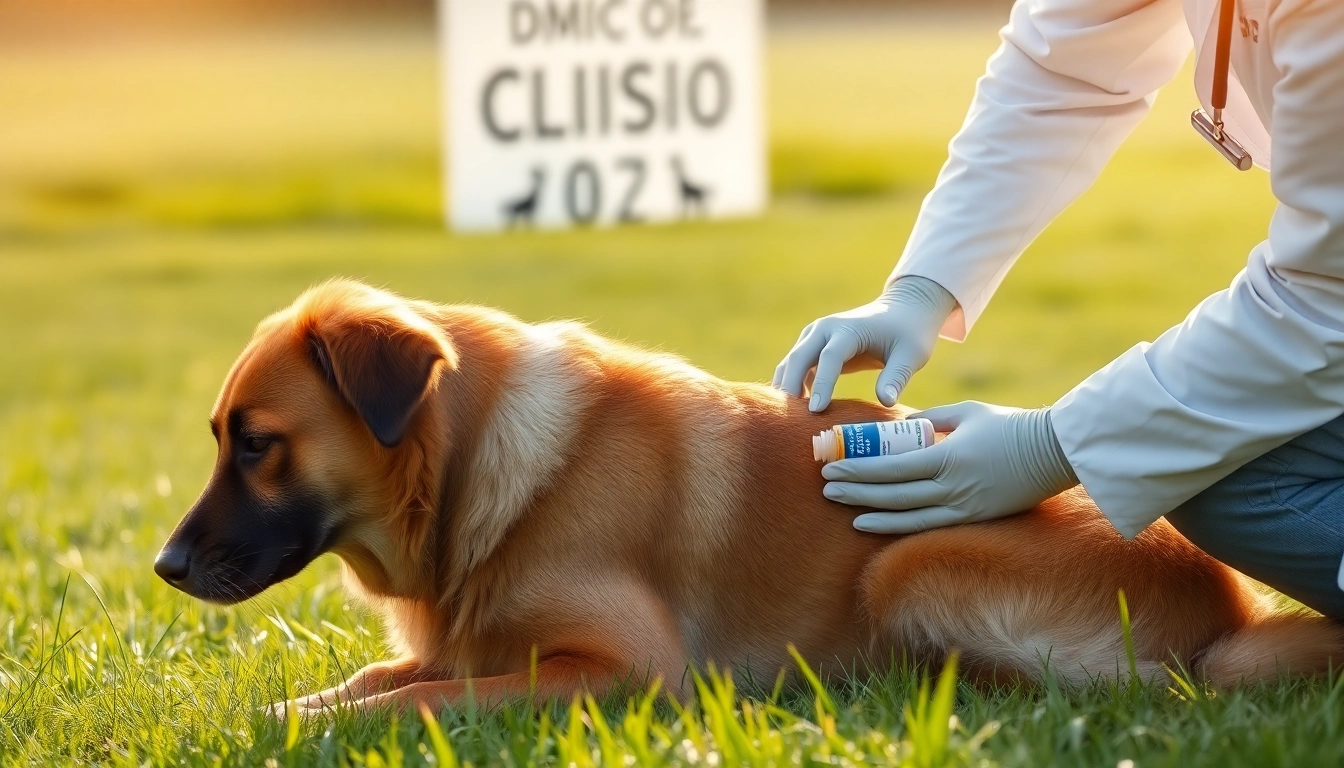
- Apply a small amount of DMSO to the affected area using gloves to protect your skin.
- Gently massage the solution in until it is absorbed.
- Wash your hands and remove gloves immediately after application.
Using a roll-on applicator can simplify the process and reduce mess.
Precautions and Safety Measures
While DMSO is generally considered safe for dogs, there are important precautions to keep in mind:
- Always consult a veterinarian before starting treatment.
- Be cautious of the source; use pharmaceutical-grade DMSO to ensure purity.
- Avoid applying it to broken skin unless directed by a professional.
- Monitor your dog for any adverse reactions, particularly if it is their first time using DMSO.
Side Effects and Risks of DMSO in Dogs
Common Side Effects
While side effects are relatively uncommon, some dogs may experience temporary skin irritation or a garlic-like taste in their mouth after application. In rare cases, systemic reactions may occur, such as nausea or dizziness. If any unusual symptoms present, it is critical to contact a veterinarian promptly.
When to Avoid DMSO
There are specific conditions under which DMSO should not be used:
- Dogs with known allergies to DMSO or its components
- Dogs with serious liver or kidney problems
- Pregnant or nursing dogs, unless specifically directed by a vet
What to Monitor After Application
After applying DMSO, observe your dog for signs of improvement or adverse reactions. It is important to keep an eye out for any swelling, redness, or continued pain that does not subside after treatment. Ensuring adequate hydration and fresh food can bolster recovery.
Frequently Asked Questions About DMSO for Dogs
Is DMSO safe for all dog breeds?
DMSO can be safe for various breeds, but individual health conditions must be considered. Always consult your vet before applying DMSO.
How often can I apply DMSO to my dog?
DMSO can typically be applied up to three times daily, but it’s crucial to follow the vet’s specific recommendations.
Can DMSO be used alongside other medications?
DMSO may interact with other medications; consult your veterinarian before using it with other treatments to ensure safety.
What are the symptoms of DMSO overdose in dogs?
Symptoms may include excessive salivation, vomiting, or disorientation. If you suspect overdose, contact a veterinarian immediately.
Where can I buy DMSO for dogs?
DMSO can be purchased at various pet supply stores or online, but ensure it’s pharmaceutical-grade to guarantee safety and effectiveness.