Understanding Restaurant Menu Concepts
The menu is often the first contact point between a diner and a restaurant, making it a critical component of the dining experience. An engaging menu reflects the restaurant's personality, showcases its culinary expertise, and entices customers to explore its offerings. With the growing competition in the hospitality industry, the importance of a well-crafted menu cannot be overstated. In this article, we will delve into various aspects of restaurant menu concepts, equipping you with the knowledge and strategies to elevate your dining experience. For inspiration, explore how elements like the slot can shape a restaurant’s persona and satisfaction level among guests.
Analyzing Different Cuisine Styles
When constructing a restaurant menu, understanding various cuisine styles is paramount. Each style carries unique flavors, preparation methods, and cultural traditions that can deeply influence your menu design. For example, traditional Italian fare emphasizes fresh ingredients and rustic preparation methods, showcasing staples like pasta and regional cheeses. Asian cuisines, while diverse, often focus on balance—combining sweet, salty, sour, and bitter elements.
Incorporating global influences into your menu can also enhance customer appeal. Consider fusion dishes that combine elements from different cuisines to create a unique dining experience. However, meticulous research is essential to ensure authenticity and flavor harmony when blending cultures. This analysis does not only help in appealing to the target demographic but also serves in preserving cultural identities within contemporary dining experiences.
Current Food Trends Impacting Menus
During recent years, food trends have become increasingly influential in shaping restaurant menus. Popular trends include plant-based dishes, sustainable sourcing, and ethnic flavors. Consumers are becoming more health-conscious, leading restaurants to prioritize natural ingredients and transparent sourcing. Plant-based meals have transcended diets to become a mainstream lifestyle, prompting many establishments to expand their offerings beyond just vegetarian options.
Additionally, the trend towards globally inspired ingredients is on the rise—think spices from Indian cuisine or sauces from Southeast Asia. This curiosity and desire to explore various cultures through food necessitate a keen eye when designing a menu that reflects current tastes while still remaining true to your restaurant's core identity.
Choosing a Niche for Your Restaurant
A well-defined niche can set your restaurant apart in a saturated market. Whether your focus is on vegan foods, artisanal pizzas, or gourmet brunches, identifying and choosing a niche will guide your menu development and marketing strategies. Combining passion with data about customer preferences will also increase the likelihood of success, ensuring that the offerings resonate with your target market.
Moreover, a clear niche allows for more streamlined operations, as staff will be trained and knowledgeable about specific culinary techniques. This specialized focus can significantly enhance the overall customer experience, leading to increased satisfaction and repeat visits.
Creating a Targeted Menu Strategy
Developing a menu strategy tailored to your restaurant's unique character and your customer base is crucial for success. This involves careful consideration of customer preferences, seasonal ingredients, and themed offerings to create a favorable dining environment.
Identifying Customer Preferences
Understanding your target customers is the foundation of any menu strategy. Employing surveys, focus groups, and feedback forms can provide insight into their expectations and desires. Dining habits may vary based on location, demographics, and even time of year. Keep analytics on what items sell best and peak dining times for valuable data to shape your offerings.
Beyond data collection, establishing open channels for communication with guests can uncover not only what they want to eat but also feedback on how to improve what you already serve. Adjustments based on this communication will help ensure customers feel heard and valued.
Offering Themed Menu Nights
Themed menu nights can create excitement and drive engagement at your restaurant. These nights allow you to showcase different culinary styles, offer limited-time specials, and draw in various customer demographics. A taco night, sushi night, or even a Mediterranean-themed dinner can provide both fun and a fresh take on your cuisine.
Promoting these events through social media and local advertising can further enhance visibility. Furthermore, collaborating with local chefs or influencers for these nights will increase outreach, bringing a new clientele eager to experience something special.
Adjusting for Seasonal Ingredients
Incorporating seasonal ingredients into your menu not only enhances flavor but also bolsters sustainability and supports local farmers. This approach allows for flexibility in your menu while fostering creativity as you adapt recipes based on what's fresh and available. Seasonal offerings can also create anticipation; diners may look forward to their favorite dishes returning at specific times of the year.
On the operational side, working with local suppliers not only reduces your carbon footprint but also constitutes a great marketing angle, showcasing your commitment to community and quality.
Incorporating Unique Signature Dishes
Signature dishes can become a restaurant's trademark, encouraging word-of-mouth referrals and repeat visits. Crafting these exceptional dishes requires innovation and a deeper understanding of flavor dynamics, presentation, and customer preferences.
Developing Eye-Catching Presentation
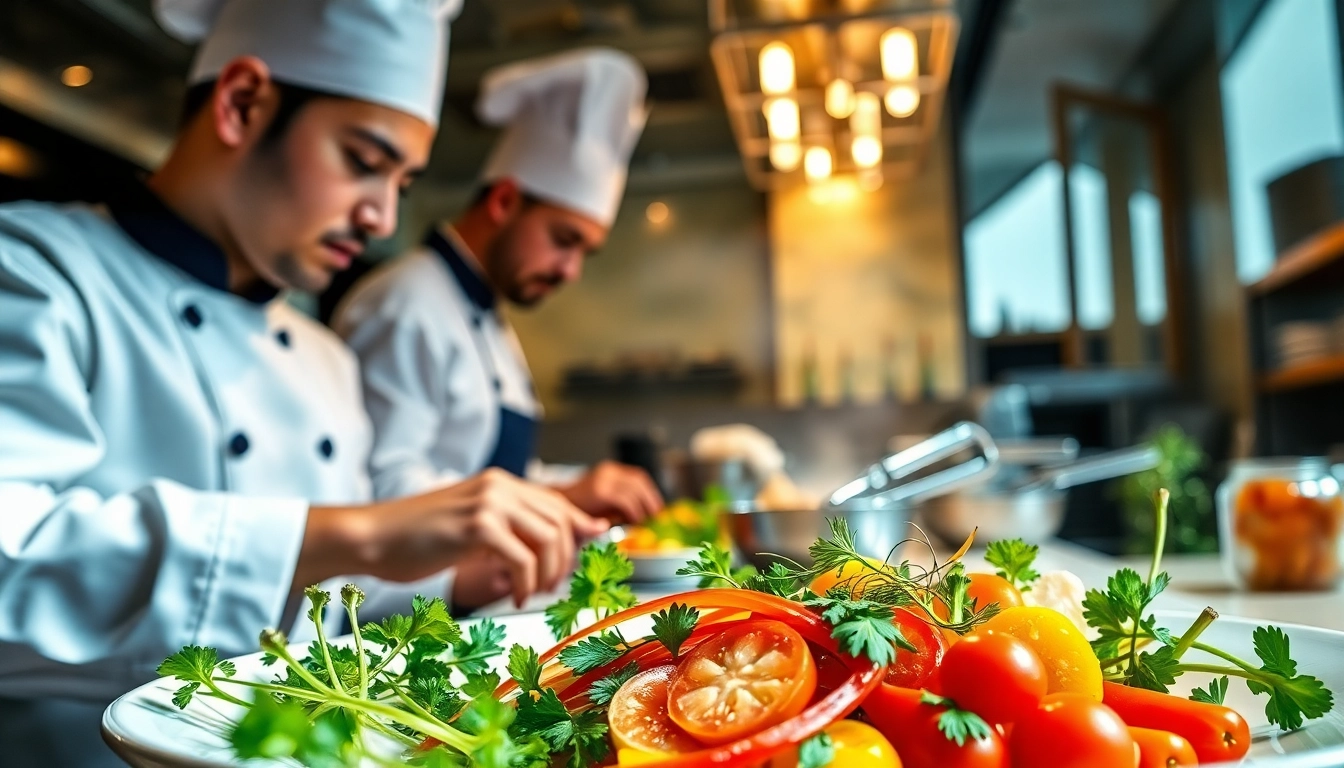
The visual element of a dish is often as important as its taste. Eye-catching presentation can stimulate appetites and create an excellent opportunity for social media sharing. Simple techniques such as using colorful ingredients, clean plating, and thoughtful garnishing can elevate a dish from ordinary to unforgettable. For instance, a vibrant salad can be served in a unique bowl or jar, providing both aesthetics and excitement.
Balancing Classic and Innovative Flavors
Combining traditional flavors with innovative culinary techniques can distinguish your signature offerings. Chef-driven menus often see success by merging nostalgia with creativity, allowing diners to revel in flavors that feel familiar yet novel. For instance, imagine a classic beef stew reimagined with modern plating or spiced with exotic ingredients.
This balance encourages exploration while satisfying varying palates, fostering an environment of culinary adventure that resonates with consumers of all backgrounds.
Gathering Feedback on New Items
Before fully committing to a new signature dish, it is wise to test concepts through smaller samplings or limited-time offers. Gathering public feedback, whether through direct comments or social media interactions, will provide valuable insights into how well the dish is received.
Tools for feedback collection can take many forms, from casual conversations with diners to online polls. Pay attention to what guests are saying; their insights can be the guiding light for your menu selections.
Marketing Your Restaurant Menu Effectively
In an increasingly digital and competitive world, demonstrating your unique offerings is essential. An effective marketing strategy for your menu not only attracts customers but also retains them by continually engaging their interest.
Leveraging Social Media for Promotion
Social media platforms serve as powerful tools for showcasing your menu. Regularly posting high-quality images of your food along with engaging captions can entice followers and convert them into dining patrons. Consider running targeted ad campaigns that highlight specific dishes, seasonal offers, or themed nights to drive interest.
Engagement with followers through comments, contests, and interactive content can elevate your brand's visibility, fostering a vibrant online community around your restaurant.
Utilizing Food Photography
In today's visual-first environment, good food photography can make or break a dish’s success before a diner even arrives at the restaurant. Invest in professional photography or learn to capture enticing images yourself. Clear, well-lit photos with a focus on vibrant colors and textures can elicit emotional responses, making it more likely that a potential guest will choose to dine with you.
Incorporating styling elements and unique backgrounds will help further articulate your brand's story and the experience you want to provide.
Crafting Compelling Menu Descriptions
Engaging menu descriptions play a crucial role in boosting customer interest and decision-making. Describe dishes in a way that evokes taste, texture, and visuals without overwhelming potential guests with excessive detail. Use tantalizing language while providing information about unique ingredients, preparation methods, and flavor profiles to spark curiosity and excitement.
Additionally, highlighting any sourcing or sustainability aspects of ingredients can amplify the appeal for conscientious diners.
Measuring Menu Performance and Customer Satisfaction
Ultimately, a restaurant's success hinges on how well its menu resonates with customers. Adopting techniques to measure performance and satisfaction is vital in maintaining a thriving establishment.
Tracking Sales Analytics
Sales analytics provides valuable insights into which menu items generate the most revenue and which may need modification or removal. Tracking item sales by day or week can highlight trends based on time and demographics, aiding in strategic decision-making. Analytics tools can help in assessing menu performance and optimizing offerings based on hard data rather than assumptions.
Conducting Customer Surveys
Regularly conducting customer surveys can help you gather direct feedback about satisfaction levels under various facets including service, ambiance, and, of course, menu items. This engagement will not only enhance customer loyalty but also prompt proactive adjustments to improve their experience in real-time.
Implementing Changes Based on Feedback
Acknowledging feedback is essential to evolving your menu. Be sure to communicate any changes made in response to customer suggestions, fostering an environment where diners feel their voices matter. This not only enhances satisfaction but can also rejuvenate the menu, keeping it fresh and exciting for repeat visitors.
FAQs
What factors should I consider when creating a restaurant menu?
Consider your target audience, cuisine style, seasonal ingredients, and pricing when designing your menu. Understanding market trends and customer preferences can also guide your choices.
How can I make my menu more appealing?
Utilize enticing food photography, creative descriptions, and a well-organized layout. Highlight seasonal specials or signature dishes to grab diners' attention.
What role do customer surveys play in menu development?
Customer surveys provide invaluable feedback on diner satisfaction, preferences, and areas for improvement, guiding you in refining your menu and enhancing their experience.
How can I promote my restaurant's menu effectively?
Leverage social media platforms, collaborate with food influencers, and utilize email marketing to showcase menu highlights and drive interest in special events or promotions.
Is it essential to offer vegan or vegetarian options on my menu?
Yes, offering vegan or vegetarian options caters to a growing demographic and aligns with current food trends, appealing to health-conscious and environmentally-aware diners.