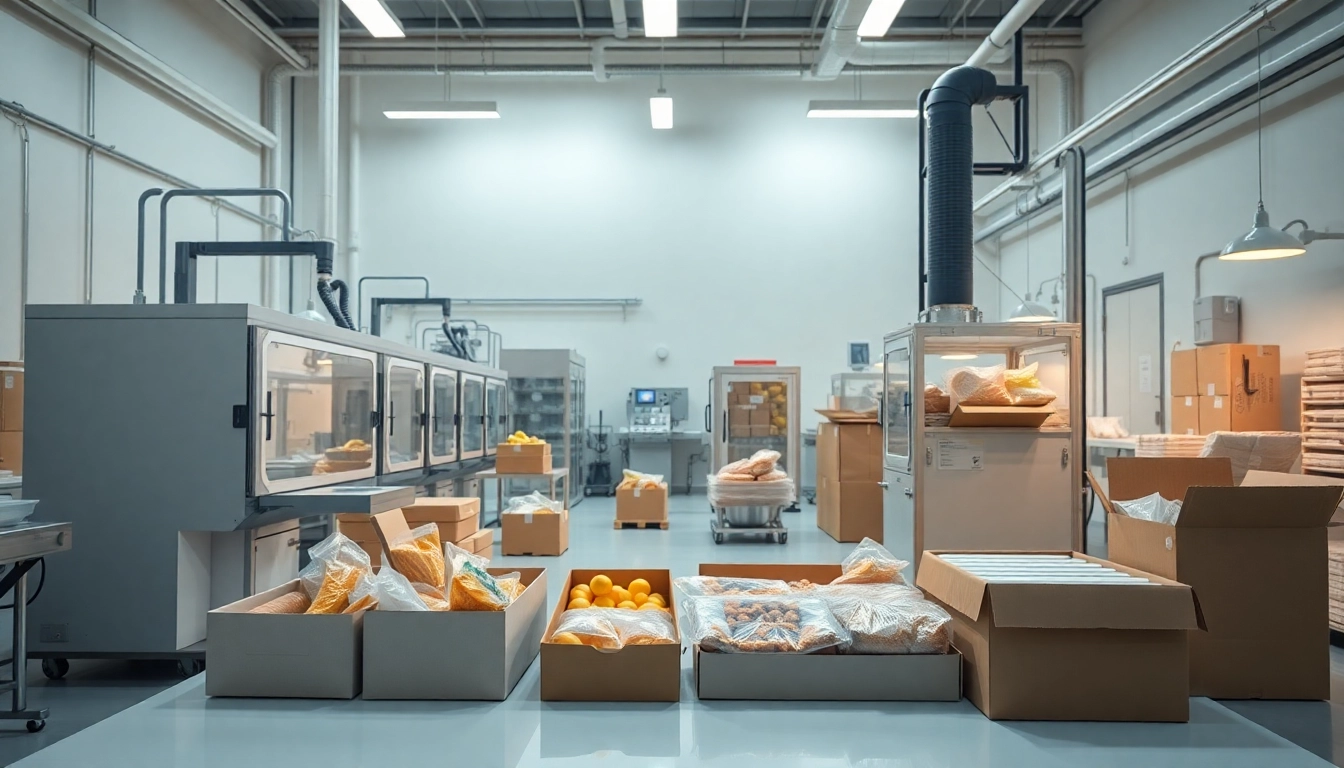
Understanding Food Contract Packaging
What is Food Contract Packaging?
Food contract packaging, commonly referred to as co-packing, entails outsourcing the packaging process to a specialized third-party service provider. This approach allows food manufacturers to streamline operations without investing heavily in equipment and facilities. By partnering with a contract packaging firm, businesses can enhance their focus on core activities such as product development and market strategy while ensuring that their packaging needs are met efficiently. Contract packagers provide an array of services tailored to the specific requirements of food products, including filling, sealing, and labeling.
Benefits of Using Food Contract Packaging
The adoption of food contract packaging offers numerous benefits for manufacturers:
- Cost Efficiency: Outsourcing packaging can significantly reduce operational costs, such as labor and equipment expenses.
- Flexibility: Contract packagers provide scalability, allowing businesses to quickly adjust production levels based on demand.
- Expertise: Leveraging specialized knowledge and state-of-the-art technology, contract packagers ensure quality and compliance with industry standards.
- Faster Time to Market: By outsourcing packaging, companies can decrease turnaround times and get their products to market more quickly.
- Concentration on Core Activities: Manufacturers can focus resources on development and marketing while leaving packaging tasks to experts.
Types of Food Contract Packaging Services
Food contract packaging services are varied to address different requirements in the food industry. Below are several common types:
- Pouch Filling: Flexible pouches are often used for products like snacks and sauces, providing a lightweight alternative to rigid containers.
- Bottle Filling: This includes filling containers ranging from small bottles for dressings to larger beverage containers.
- Cartoning: This involves packaging food products into cartons, which can facilitate easier display and transportation.
- Shrink Wrapping: Commonly used for items sold in bulk, shrink wrapping creates a tamper-evident seal, enhancing product security.
- Labeling: Professional labeling services ensure compliance with regulations and help in branding efforts.
- Multipack Assembly: Preparing products in multipacks is vital for bulk sales, particularly in retail environments.
Choosing the Right Food Contract Packaging Partner
Key Criteria for Selection
Selecting the appropriate food contract packaging partner can significantly impact the success of your operations. Consider the following criteria:
- Experience: Look for a partner with established expertise in your specific product type and industry.
- Capabilities: Assess the range of services they offer, ensuring they can meet your packaging needs.
- Quality Standards: Evaluate their adherence to safety regulations, certifications, and quality assurance practices.
- Technology: A partner equipped with the latest technology can boost efficiency and consistency in packaging.
- Cost Structure: Understand their pricing models, including any hidden costs associated with production runs.
Questions to Ask Potential Partners
When evaluating potential contract packaging partners, ask questions that clarify their abilities and align with your needs:
- What types of food products do you specialize in?
- Can you provide references or case studies from other clients?
- What safety and quality assurance measures do you have in place?
- How flexible are your production capabilities with respect to varying order sizes?
- What is your lead time for setup and production runs?
Evaluating Experience and Expertise
The depth of experience and expertise that a contract packager brings to the table directly correlates with their ability to meet your specific needs. Check for:
- Industry Knowledge: Understanding food regulations, market trends, and consumer preferences is critical.
- Technical Skills: Proficiency in using advanced machinery and software for packaging ensures high-quality results.
- Track Record: Look for a proven history of reliability and successful partnerships with other food brands.
- Continuous Improvement: A commitment to evolving processes and technologies signals a forward-thinking partner.
Best Practices in Food Contract Packaging
Ensuring Quality Control
Quality control is paramount in food contract packaging to maintain safety and integrity:
- Regular Inspections: Conduct both in-process and post-production inspections to catch potential issues early.
- Supplier Audits: Regularly audit suppliers for the quality of materials and adherence to standards.
- Traceability: Implement systems to trace every batch from production to delivery, facilitating easy recalls if needed.
Cost-Effective Packaging Solutions
Finding the balance between quality and cost is crucial in packaging. Here are some recommendations:
- Bulk Purchases: Buying packaging materials in bulk can lower costs significantly.
- Modular Packaging: Opt for modular designs that allow for flexibility in product variations without incurring additional costs.
- Efficiency Audits: Perform regular efficiency evaluations to identify waste and implement improvements.
Maintaining Compliance with Regulations
Adhering to food safety regulations is not just critical for compliance but also for your brand’s reputation. Consider these actions:
- Stay Informed: Keep updated on food safety regulations and packaging standards specific to your industry.
- Training Programs: Provide regular training for your team to ensure everyone is knowledgeable about compliance requirements.
- Documentation: Maintain precise records of processes, materials, and inspections as proof of compliance.
Innovations in Food Contract Packaging
Emerging Technologies
The food packaging industry is evolving rapidly with new technologies enhancing efficiency and quality:
- Automation: Incorporating automated systems can boost production speeds and reduce labor costs.
- IoT Implementation: Internet of Things (IoT) technologies enable real-time tracking and data analysis for optimized operations.
- Smart Packaging: Innovations like QR codes and RFID tags enhance consumer engagement and provide product information.
Sustainable Packaging Solutions
As sustainability becomes increasingly vital, incorporating eco-friendly practices is essential:
- Biodegradable Materials: Use materials that break down naturally, reducing environmental impact.
- Minimalist Design: Streamline packaging to use less material while maintaining product integrity.
- Recycling Programs: Establish programs encouraging consumers to recycle packaging after use.
Custom Packaging Options
Providing unique, custom packaging can differentiate your product in a competitive marketplace:
- Branding Opportunities: Use packaging as a canvas for branding, reflecting your brand's identity and values.
- Consumer Preferences: Tailor packaging based on customer feedback and market research to enhance appeal.
- Multi-Functionality: Consider designs that add value beyond just packaging, like resealability or portion control.
Case Studies and Success Stories in Food Contract Packaging
Examples of Successful Collaborations
Numerous businesses have benefitted from strategic partnerships with food contract packagers. Highlighting notable examples improves understanding of effective collaboration:
- Diversified Product Lines: A company expanded its reach by introducing new product lines through streamlined packaging processes.
- Increased Market Reach: A successful brand leveraged co-packing to quickly enter new markets without additional overhead.
Lessons Learned from Failures
Not all partnerships are guaranteed success. Learning from failures can provide crucial insights:
- Misalignment of Expectations: Poor communication led to discrepancies in product launches and timelines.
- Quality Lapses: A failure in adhering to quality standards resulted in recalls and damaged reputation.
Future Trends in Food Contract Packaging
The future of food contract packaging is poised for transformation with the adoption of new trends:
- Increased Demand for Customization: Consumers seek more personalized experiences, pushing companies to adopt custom packaging.
- Tech-Driven Operations: Automation and data analysis will continue to enhance operational efficiency and decision-making.
- Sustainability as the Norm: Expect governments and consumers alike to demand greater accountability in sustainable practices.
Frequently Asked Questions
What is food contract packaging?
Food contract packaging refers to the outsourcing of food product packaging to specialized third-party service providers, allowing manufacturers to focus on core operations.
What types of packaging can be outsourced?
Services such as pouch filling, bottle filling, labeling, cartoning, and shrink wrapping can all be outsourced to contract packagers.
How does food contract packaging benefit manufacturers?
It offers cost savings, flexibility, improved efficiency, faster market entry, and allows manufacturers to concentrate on their core activities.
What should I look for in a contract packaging partner?
Key criteria include experience, service capabilities, quality standards, technology used, and pricing structure. Ask targeted questions to gauge fit.
How can I ensure quality control in packaging?
Implement regular inspections, conduct supplier audits, maintain traceability, and adopt strict quality assurance protocols to ensure product integrity.