
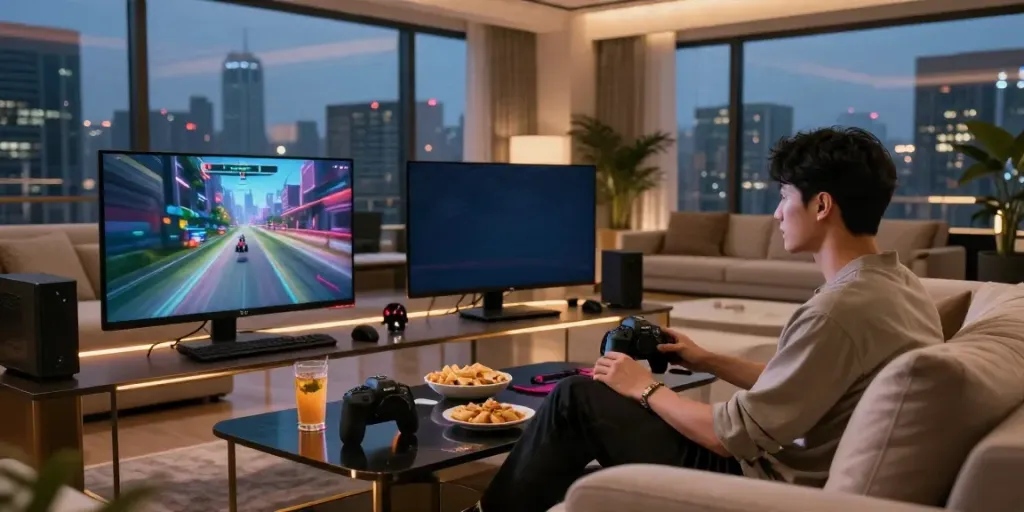
Understanding the Luxury Gaming Market
The luxury gaming market represents a unique intersection of entertainment and upscale experiences, appealing to a demographic that seeks quality, exclusivity, and innovation. As consumer preferences evolve in 2026, brands within this space must adapt to meet the sophisticated demands of players. When exploring options, luxury111 offers valuable insights into this dynamic sector, showcasing what the future holds. This article delves into the intricacies of the luxury gaming market, identifying key trends, common pitfalls, effective marketing strategies, successful case studies, and future predictions.
What Is Luxury Gaming?
Luxury gaming transcends traditional gaming experiences by offering high-end features, exclusive content, and personalized services. It encompasses a range of formats, including online slots, virtual reality, and mobile gaming—all designed to deliver a unique experience. The allure of luxury gaming lies in the promise of exclusivity and enhanced playability, often coupled with significant financial investments by both players and developers. Players in this segment enjoy unique perks, such as VIP programs, specialized customer service, and premium game releases.
Key Players in the Market
The luxury gaming market boasts prominent brands that redefine high-end gaming. Companies like Pragmatic Play and Evolution Gaming lead with innovative offerings, while platforms such as luxury111 provide cutting-edge technology that enhances user experience. These players are not just in the business of gaming; they are creators of sophisticated environments where players feel valued and engaged. The integration of artificial intelligence and machine learning into gaming platforms further elevates their appeal, allowing for more personalized gaming experiences.
Trends Shaping Luxury Gaming Experiences
- Technological Integration: Virtual reality (VR) and augmented reality (AR) are transforming the way players interact with games, creating immersive environments.
- Personalized Gaming: Brands increasingly leverage data analytics to tailor experiences, ensuring that offerings resonate with individual preferences.
- Gamification: Integrating game mechanics into non-gaming contexts enhances engagement, making the experience more exciting and rewarding.
- Social Connections: Many luxury gaming platforms focus on building community, facilitating social interactions among players through competitive and cooperative gameplay.
Common Pitfalls in Luxury Gaming
Despite its growing popularity, the luxury gaming sector faces several challenges that can undermine brand success. Understanding these pitfalls is crucial for stakeholders looking to establish a foothold in this market.
Misconceptions About Luxury Gaming
One prevalent misconception is that luxury gaming only caters to a wealthy demographic. While high stakes may attract affluent players, the definition of luxury gaming encompasses more than monetary value. Access to exclusive content, immersive environments, and enhanced service levels can also define luxury, appealing to a broader audience.
Ignoring User Feedback and Community Insights
Another significant oversight is neglecting user feedback. In an era where players value their voices, failing to incorporate community insights can damage a brand's reputation. Brands must implement feedback loops to foster loyalty and continuously improve their offerings.
Overlooking Technological Integration
The rapid evolution of technology means that luxury gaming brands must remain at the forefront of industry advancements. Overlooking new technologies can lead to stagnation, causing players to seek more innovative alternatives. Brands should prioritize technology investments that enhance user experience and engagement.
Effective Strategies for Luxury Gaming Brands
To thrive in the competitive landscape of luxury gaming, brands must adopt effective strategies tailored to the nuances of this market.
Creating Engaging and Immersive Experiences
Luxury gaming should always prioritize user experience. By incorporating elements such as stunning graphics, engaging narratives, and intuitive user interfaces, brands can create memorable interactions. Incorporating VR and AR can also significantly enhance immersion, providing players with unparalleled experiences that keep them returning.
Leveraging Influencer Partnerships
Influencer marketing plays a pivotal role in the luxury gaming space. By collaborating with industry leaders and gaming personalities, brands can reach targeted audiences and build credibility within gaming communities. Authentic endorsements can sway potential customers and elevate brand visibility.
Innovative Marketing Approaches for 2026
With the gaming industry evolving, innovative marketing approaches will be essential for success in 2026 and beyond. Utilizing data-driven marketing strategies, such as programmatic advertising and personalized campaigns, can significantly improve brand reach while tailoring messages to specific consumer segments. Embracing social media platforms for engagement and promotion—particularly platforms popular among gamers—can generate buzz and attract attention quickly.
Case Studies of Successful Luxury Gaming Brands
Analyzing successful luxury gaming brands sheds light on effective strategies and industry best practices.
Analyzing Top Brands in 2026
Brands such as luxury111, with robust marketing strategies and impressive technologies, demonstrate how to capture and retain player interest. Their focus on user experience, combined with an understanding of target demographics, has proven to be key in their success.
Lessons Learned from Market Leaders
Market leaders emphasize the importance of regular innovation and adaptation to industry changes. Continuous improvement—a must for maintaining relevance—has been a common theme in their success stories. Tracking market trends and understanding player preferences allows these brands to stay ahead of competitors.
Real-World Applications of Best Practices
Several best practices can be gleaned from the successes of industry leaders. Implementing user feedback mechanisms, investing in new technologies, and fostering community engagement are essential strategies that can yield significant returns. These practices not only enrich user experience but also cultivate loyalty among players.
Future of Luxury Gaming
The future of luxury gaming is bright, driven by ongoing technological advancements and changing consumer behaviors. Through strategic foresight, brands can capitalize on emerging trends shaping the industry's landscape.
Emerging Technologies and Trends
Technologies like blockchain and cryptocurrency are set to transform luxury gaming. Blockchain can enhance transparency and security, appealing to players seeking trust in their gaming experiences. Additionally, the integration of non-fungible tokens (NFTs) into gaming ecosystems is gaining traction, allowing players to own unique digital assets.
Predictions for 2026 and Beyond
Looking ahead, we can predict that luxury gaming will become increasingly personalized and technologically advanced. The demand for unique, immersive experiences will drive brands to innovate continuously. Furthermore, social responsibility and sustainability are expected to play more prominent roles in gaming brand narratives.
Preparing for the Next Wave of Gaming Innovation
To prepare for future innovations, brands must stay agile and responsive to market changes. This includes investing in research and development to explore new technologies and adapting to evolving player expectations. Engaging with the gaming community will also provide valuable insights into emerging trends.
What Are the Risks and Rewards?
While the future holds promising opportunities, it also presents risks. Competition will intensify as new entrants emerge, and players' expectations will continue to rise. Brands must navigate these challenges strategically, balancing innovation with user engagement to harness the rewards of the evolving luxury gaming landscape.