Understanding Rainpoint Irrigation Controllers
In today's fast-paced world, efficient water management has become a critical concern for gardeners and homeowners alike. Rainpoint Irrigation Controllers are designed to address these issues, offering innovative solutions that simplify the watering process while promoting sustainability. These advanced controllers combine technology with practicality, ensuring that your plants receive the right amount of water at the right time. When exploring options, rainpoint Irrigation Controllers provide comprehensive insights that cater to both novice and experienced gardeners.
What Are Rainpoint Irrigation Controllers?
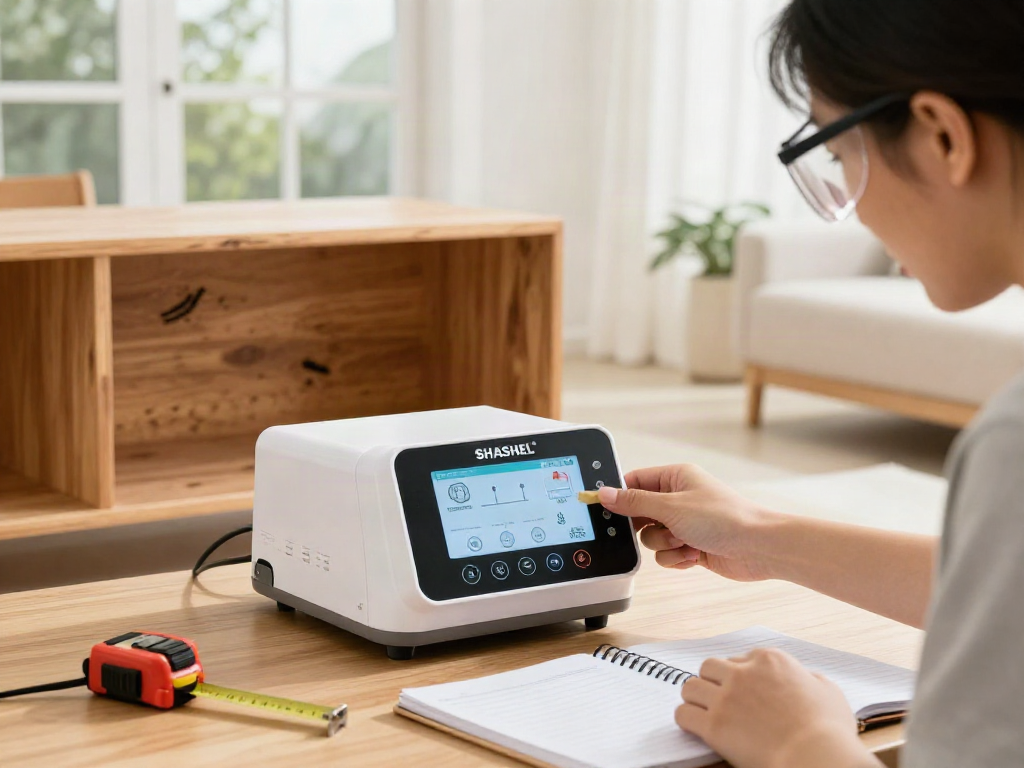
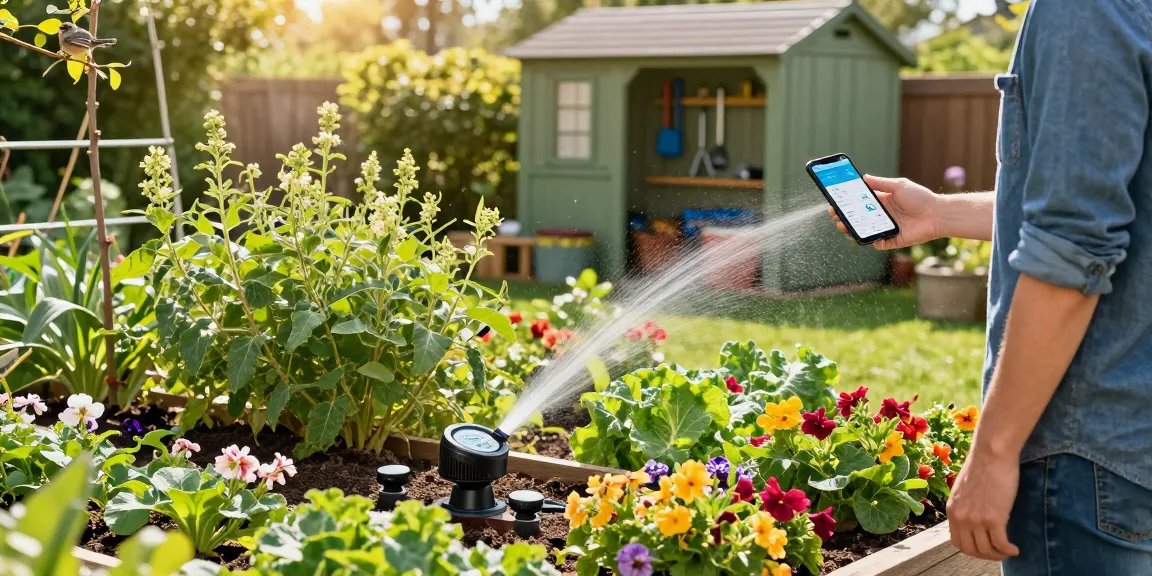
Rainpoint Irrigation Controllers are smart devices designed to automate the watering of gardens, lawns, and indoor plants. Integrating advanced technology, these systems allow users to control and monitor their irrigation practices remotely, ensuring optimal plant health while conserving water. The product range includes wifi-enabled timers, soil moisture sensors, and mobile app integrations that provide real-time feedback and control over watering schedules.
Key Features and Benefits of Rainpoint Systems
- Ease of Use: Many users rave about the simple setup and user-friendly interfaces of Rainpoint products, allowing for quick installation and immediate use.
- Water Conservation: By utilizing precise moisture sensors, Rainpoint controllers help reduce water waste, making them an eco-friendly choice for sustainable gardening.
- Remote Control: With wifi connectivity, homeowners can adjust watering schedules via a mobile app from anywhere, providing flexibility and convenience.
- Data-Driven Insights: The ability to track water consumption provides valuable data that helps users adjust their watering practices for healthier plant growth.
- Robust Warranty: Rainpoint offers an extensive warranty period, ensuring users feel confident in their investment.
How to Choose the Right Rainpoint Model for Your Needs
Selecting the optimal Rainpoint model depends on various factors, including the size of your garden, types of plants, and your watering preferences. Here are key considerations:
- Garden Size: For larger properties, a multi-zone controller may be necessary, while smaller gardens can benefit from simpler models.
- Plant Types: Certain plants have different watering needs; thus, consider models that offer customizable schedules based on plant requirements.
- Advanced Features: If you favor high-tech solutions, look for models with soil moisture sensors and app connectivity for enhanced monitoring.
Water Conservation and Gardening Best Practices
Why Water Conservation is Crucial in 2026
As climate change effects continue to escalate, the importance of water conservation in gardening cannot be overstated. The increasing frequency of droughts and watering restrictions make efficient water use a necessity for gardeners. By adopting water-saving technologies like Rainpoint Irrigation Controllers, gardeners can contribute to environmental sustainability while also maintaining vibrant and healthy landscapes.
Integrating Rainpoint Irrigation into Sustainable Gardening
To harmonize your gardening practices with sustainability, integrating Rainpoint Irrigation Controllers can significantly enhance your efforts. Here are ways to effectively use Rainpoint products:
- Scheduled Watering: Set up automated schedules to water your plants during optimal times, reducing evaporation and maximizing absorption.
- Soil Moisture Monitoring: Utilize soil sensors to ensure your plants only receive water when necessary, preventing overwatering.
- Rain Delay Features: Use built-in features to skip watering during rainy periods, contributing to water conservation.
Common Myths about Watering and Irrigation Systems
Despite advancements in irrigation technology, several myths about watering persist. Debunking these can help gardeners make informed decisions:
- Myth #1: Watering in the evening is always best. While it can reduce evaporation, it may also promote fungal diseases.
- Myth #2: More water equals healthier plants. Overwatering can lead to root rot and drown plants, showcasing the need for balanced irrigation.
- Myth #3: All gardens require the same amount of water. Different plants have varying needs, illustrating the importance of tailored watering practices.
Setting Up Your Rainpoint Irrigation Controller
Step-by-Step Installation Process
Installing a Rainpoint Irrigation Controller is straightforward, allowing you to begin your efficient watering strategy quickly. Here’s a step-by-step guide:
- First, unbox the controller and review the included manual for specific instructions.
- Connect the controller to your water source, ensuring all fittings are secure.
- Set up the wifi connection using the mobile app for remote access.
- Program your desired watering schedule based on plant needs and soil conditions.
Troubleshooting Common Setup Issues
As with any technology, users may encounter issues during setup. Here are common troubleshooting tips:
- Wifi Connection Problems: Ensure that your router is functioning properly and within range of the controller.
- Inconsistent Watering: Check for clogs in hoses or connectors that may impede water flow.
- App Connectivity Issues: Restart both the app and the controller to refresh the connection.
Maximizing Efficiency: Tips for Optimal Configuration
To get the most out of your Rainpoint system, consider these optimization tips:
- Regular Updates: Keep your app updated for access to the latest features and improvements.
- Frequent Monitoring: Regularly check your watering schedules and adjust based on changing weather conditions.
- Utilize Reports: Analyze water usage data provided by the app to make informed decisions about irrigation practices.
Advanced Features of Rainpoint Controllers
Using Soil Sensors for Precision Watering
The incorporation of soil moisture sensors in Rainpoint controllers marks a significant advancement in irrigation technology. These sensors measure moisture levels in the soil, ensuring plants receive adequate water only when necessary, reducing waste significantly. By fine-tuning your watering schedules based on real-time soil conditions, gardeners can foster healthier plants and conserve water resources.
Smart Features and Mobile App Integration
Rainpoint controllers are designed for the modern gardener, integrating seamlessly with mobile devices. Users can manage their watering schedules, receive alerts about soil conditions, and modify settings from anywhere. This high level of control not only enhances convenience but also allows for better responsiveness to changing environmental factors.
Analyzing Water Consumption Data for Better Growth
Rainpoint's ability to track water consumption provides valuable insights for gardeners. By analyzing this data, users can identify patterns and make adjustments, leading to more effective irrigation practices. Understanding how much water different areas of your garden require can result in stronger plant growth and lower water bills.
Future Trends in Irrigation Technology
Innovations Expected in 2026 and Beyond
The future of irrigation technology looks promising, with advancements in automation and data analytics expected to revolutionize the industry. Innovations such as AI-powered irrigation systems that learn plant needs and automated weather-responsive schedules will enhance efficiency and promote sustainable practices.
The Role of Smart Home Technology in Gardening
As smart home technology continues to evolve, integrating irrigation systems with other home automation devices will become commonplace. This integration may allow users to monitor and control their gardens alongside other household functions, increasing overall efficiency and convenience.
Preparing Your Garden for Climate Change Challenges
With climate change posing significant challenges to gardening, adopting advanced technologies like Rainpoint Irrigation Controllers will become increasingly important. These systems not only help in conserving water but also equip gardeners with the tools needed to adapt to changing weather conditions, ensuring the survival of plants through extreme climate situations.
What are the main benefits of using Rainpoint Irrigation Controllers?
Rainpoint Irrigation Controllers offer numerous advantages, including water conservation, ease of use, remote management via mobile apps, and enhanced insights through data tracking. These features combined enable gardeners to optimize their watering practices effectively.
How do I troubleshoot issues with my Rainpoint system?
Common issues can often be resolved by checking wifi connections, ensuring that hoses are free from clogs, and adjusting settings through the mobile app. Regular maintenance and awareness of product capabilities can help prevent many problems.
What makes Rainpoint different from other irrigation systems?
Rainpoint stands out due to its focus on smart technology integration, user-friendly interfaces, and robust data analytics capabilities, setting it apart from traditional irrigation methods.
Can I use Rainpoint systems for indoor gardening?
Absolutely! Rainpoint Irrigation Controllers are versatile and can be conveniently used for indoor gardening applications, offering tailored watering solutions for houseplants and indoor gardens.