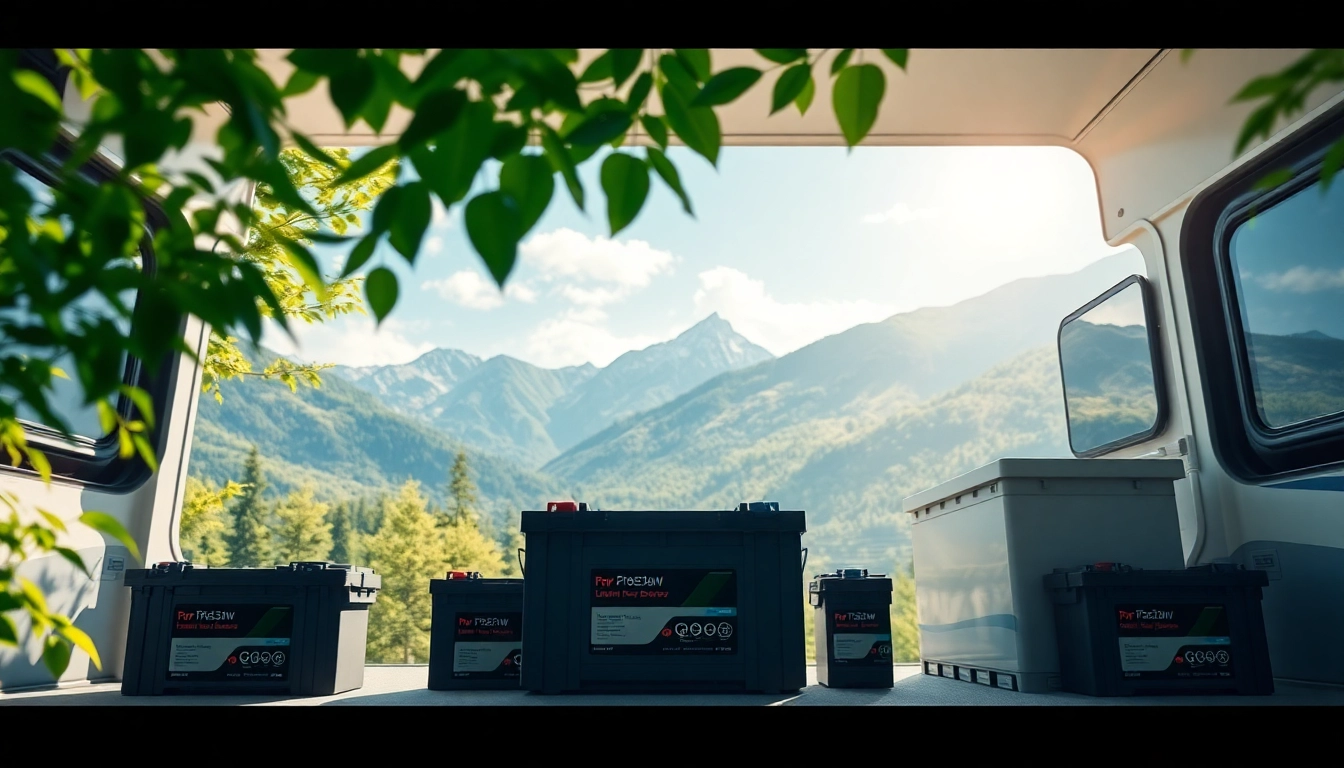
Understanding Lithium RV Batteries
What Are Lithium RV Batteries?
Lithium RV batteries are advanced energy storage solutions specifically designed for recreational vehicles (RVs). Unlike traditional lead-acid batteries, which have been the standard for decades, lithium batteries leverage lithium-ion technology to provide a more reliable power source for your RV. These batteries are lighter, have higher energy density, and offer faster charging capabilities. As technology has improved, the popularity of lithium RV batteries has surged, making them an attractive option for weekend adventurers and full-time RVers alike.
Key Features of Lithium RV Batteries
- High Energy Density: Lithium batteries store more energy in a smaller space, making them ideal for RV use where space is premium.
- Lightweight: They are significantly lighter than lead-acid batteries, helping to improve the overall weight distribution of the RV.
- Rapid Charging: Lithium RV batteries can be charged much faster than traditional batteries, allowing for quick turnover during trips.
- Long Cycle Life: With a lifespan of over 2000 cycles, lithium batteries are built for longevity, providing users with dependable power over time.
- Low Self-Discharge Rate: Unlike lead-acid batteries, lithium batteries retain 90% of their charge even after months of storage, making them perfect for seasonal RV users.
How Lithium RV Batteries Compare to Traditional Batteries
When comparing Vatrer Power lithium RV batteries to traditional lead-acid counterparts, several factors set them apart:
- Weight: Lithium batteries can be up to 50% lighter than lead-acid batteries, which improves fuel economy and enhances overall handling.
- Depth of Discharge: Lithium batteries can be discharged up to 80-90% of their capacity without damage, while lead-acid batteries typically require staying above a 50% discharge to avoid damage.
- Maintenance Needs: Lithium batteries are maintenance-free, while lead-acid batteries require regular checks and maintenance.
- Performance in Extreme Temperatures: Lithium batteries perform better in both cold and hot conditions compared to lead-acid batteries, which can suffer in extreme temperatures.
Advantages of Using Lithium RV Batteries
Longer Lifespan for Extended Travel
The lifespan of 12V 300Ah Lithium Battery, often ranging from 10 to 15 years, is significantly longer compared to lead-acid batteries, which typically last 3 to 5 years. This extended lifespan translates to lower replacement costs over time, making lithium batteries a wise investment for avid travelers. The long cycle life of lithium batteries means that frequent RV users can rely on their batteries for sustained energy during long trips.
Consistent Power Output
One of the standout features of lithium RV batteries is their ability to provide stable and consistent power output throughout their discharge cycle. Unlike lead-acid batteries, which experience voltage drops as they discharge, lithium batteries maintain a steady voltage until they reach 20% capacity. This means no flickering lights or malfunctioning appliances while enjoying your off-grid adventures.
Environmentally Friendly Options
Lithium batteries are a more environmentally friendly option because they are lighter and often made from safer materials than their lead-acid counterparts. Moreover, many manufacturers are focusing on recyclable designs, ensuring that the environmental footprint of disposal is minimized. As society moves towards more sustainable solutions, opting for lithium batteries plays a part in lessening ecological impact.
Choosing the Right Lithium RV Battery
Factors to Consider When Buying
Selecting the right lithium RV battery involves several crucial factors:
- Capacity: Understanding your power needs is vital. Calculate the total watt-hours required for your appliances to determine the necessary capacity of your battery.
- Size and Weight: Ensure that the battery fits within your RV battery compartment and aligns with your weight limits.
- Discharge Rate: Look for batteries that allow for deep discharges without compromising lifespan to get the most out of your product.
- Brand Reputation: Research manufacturers and opt for brands with positive reviews and warranties to ensure durability and reliability.
Understanding Different Capacity Ratings
Capacity ratings are a critical part of choosing a lithium RV battery. Measured in amp-hours (Ah), this rating indicates how much energy the battery can store. For example, a 100Ah battery can theoretically provide 100 amps of current for one hour. However, it's essential to understand your energy consumption to determine how many amp-hours you'll need. Some key points to remember include:
- To run a 100W light bulb for ten hours, you'll need around 83Ah (100W divided by 12V).
- You may need larger capacity batteries if you have multiple appliances drawing power simultaneously.
- Plan for battery expansion if you're considering adding more devices or appliances in the future.
Pricing and Budgeting Tips
While lithium RV batteries are initially more expensive than lead-acid batteries, they offer cost savings in the long run due to their longevity and performance. Budgeting tips include:
- Factor in the total cost of ownership, including maintenance, replacement needs, and reliability.
- Look for seasonal sales or discounts to reduce the upfront costs.
- Consider financing options if necessary, as many suppliers offer payment plans that can help spread the costs over time.
Installation and Maintenance of Lithium RV Batteries
Step-by-Step Installation Guide
Installing lithium RV batteries requires careful planning and execution. Here’s a straightforward guide:
- Gather Necessary Tools: Make sure you have all necessary tools, including wrenches, screwdrivers, and safety gear.
- Disconnect Power: Always disconnect your RV power system before starting the installation.
- Remove Old Batteries: Carefully determine the old battery's setup before removal, ensuring to note the connections.
- Install Lithium Batteries: Place the new lithium batteries in the designated compartment, connecting positive to positive and negative to negative.
- Reconnect Power: Once installed, reconnect the power and ensure that all connections are secure.
Common Maintenance Practices
While lithium batteries require less maintenance than traditional batteries, some practices should be followed to ensure optimal performance:
- Monitor battery voltage regularly to ensure it does not fall below recommended levels.
- Avoid deep discharges; try to recharge when your battery level reaches 20%.
- Keep the battery terminals clean and free of corrosion to maintain peak performance.
Troubleshooting Common Issues
Even the best batteries can encounter problems. Here are common issues with solutions:
- Battery Won't Charge: Check connections and ensure that the charger is compatible and correctly set for lithium chemistry.
- Battery Overheating: Ensure adequate ventilation and inspect for a malfunctioning charger; immediate cooling may be necessary.
- Low Power Output: Test individual components and appliances that the battery is connected to for malfunctions.
Frequently Asked Questions about Lithium RV Batteries
Are lithium batteries worth it for an RV?
Yes, for frequent travelers, lithium RV batteries offer a longer lifespan and higher usable capacity, making them more cost-effective than lead-acid options.
How long will a 12V fridge run on a 100Ah lithium battery?
A 100Ah lithium battery typically runs a 12V fridge for 2-3.5 days, depending on the fridge's power consumption and temperature conditions.
Can lithium RV batteries be charged with solar energy?
Absolutely! Lithium RV batteries work efficiently with solar panels, enhancing off-grid capabilities and energy independence for your adventures.
What are the benefits of LiFePO4 batteries?
LiFePO4 batteries are noted for their safety, long lifespan, and stability, making them ideal for RV use compared to other lithium types.
How do I maintain the optimal performance of my lithium RV batteries?
Regularly check battery voltage, avoid deep discharges, and store them in a controlled environment for best results.