
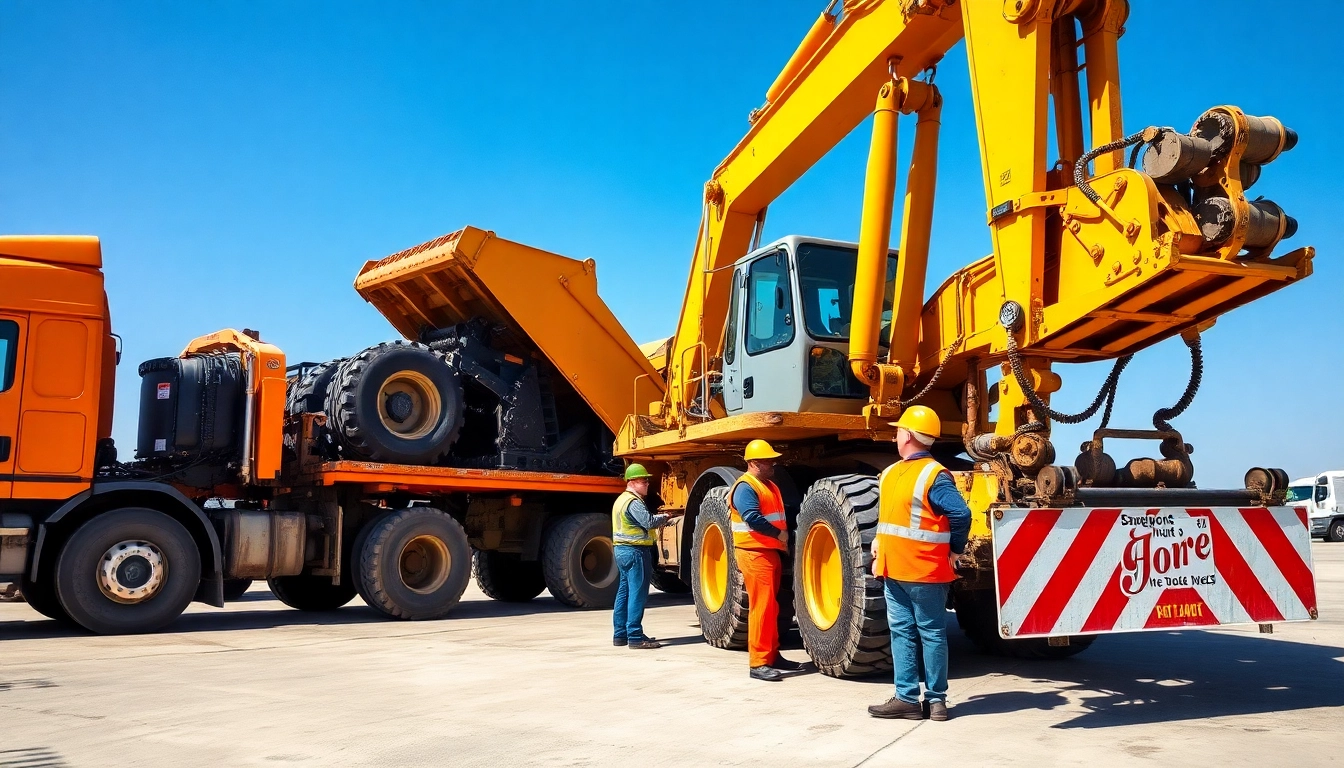
Understanding Equipment Hailing
Definition and Importance
Equipment hailing refers to the process of sourcing and organizing transportation for heavy machinery and construction equipment. This service is crucial in various industries, including construction, agriculture, and logging, where heavy equipment must be moved efficiently and safely from one location to another. Proper equipment hailing is essential for minimizing downtime, ensuring that projects remain on schedule, and maintaining the integrity of the equipment during transportation. By utilizing equipment hailing, businesses can streamline their operations, reduce logistical hassles, and enhance productivity.
Key Industries Utilizing Equipment Hailing
Several industries benefit significantly from equipment hailing services:
- Construction: Heavy machinery such as cranes, bulldozers, and excavators are frequently transported between job sites.
- Agriculture: Farmers often need to move large equipment like tractors and harvesters across vast fields and farms.
- Logging: Timber companies use equipment hailing to transport logging machinery to remote locations.
- Mining: Heavy mining equipment must often be moved for exploration and extraction activities.
- Special Events: Equipment hailing is vital for setting up stages and sound equipment for concerts and events.
Common Equipment Hailed
Various types of equipment are commonly hailed, including:
- Excavators
- Bulldozers
- Cranes
- Forklifts
- Tractors
- Compactors
- Generators
Understanding which equipment is frequently hailed allows transport services to prepare adequately and optimize logistics.
Essential Factors in Equipment Hailing
Distance and Location Considerations
The distance between pickup and drop-off locations significantly influences the planning and execution of equipment hailing. Transporting equipment over long distances may involve additional considerations, such as road type, weight limits, and logistical constraints. Additionally, remote areas may lack the infrastructure necessary for transporting large machinery, requiring specialized vehicles or methods.
Understanding regional regulations regarding weight limits and operating hours is vital in ensuring compliance during transportation. Effective route planning can help minimize travel times and reduce costs associated with delays.
Type of Equipment and Transport Requirements
Different types of equipment have unique requirements for safe transport:
- Size and Weight: Heavy machinery requires specific trailers and equipment to accommodate their size and weight. Lowboy trailers or flatbeds may be necessary entries for equipment hailing.
- Hazardous Equipment: Equipment carrying hazardous materials must adhere to strict safety regulations, requiring specialized handling and packaging.
- Value: High-value machinery may require added insurance or security measures during transport to mitigate theft or damage risks.
Cost Influencers in Equipment Hailing
The cost of equipment hailing can vary widely based on several factors:
- Distance: Longer hauls will naturally incur higher costs, often influenced by fuel prices and duration of transport.
- Type of Equipment: More specialized or heavier equipment may require advanced transport solutions, increasing costs.
- Location: Transporting equipment to remote areas may result in higher fees due to the challenges involved.
- Time of Year: Seasonal factors can also affect pricing, especially during peak construction periods.
Best Practices for Equipment Hailing
Preparing Equipment for Transport
Properly preparing equipment for transport is critical to ensuring its safety and functionality:
- Conducting a thorough inspection of the equipment before transport.
- Cleaning machinery to prevent the spread of contaminants.
- Removing any loose parts or accessories that could be damaged during transport.
- Properly securing equipment to prevent shifting during transit.
Choosing a Reliable Transport Partner
Selecting the right transport partner can significantly influence the success of equipment hailing:
- Research potential carriers to understand their experience and reputation.
- Check for necessary licenses, insurances, and certifications.
- Request quotes and compare service offerings, focusing on reliability and safety records.
Ensuring Compliance with Regulations
Compliance with local, state, and federal regulations is essential for safe equipment hailing:
- Familiarize yourself with transportation regulations, including weight limits and permits.
- Ensure that drivers are qualified and possess the necessary licenses.
- Keep abreast of any changes in transportation laws that may affect operations.
Technological Advances in Equipment Hailing
Tracking Systems and Communication Tools
Modern equipment hailing relies on technology to enhance efficiency:
- Advanced tracking systems allow businesses to monitor equipment location in real-time, reducing uncertainties during transport.
- Communication tools facilitate seamless updates and coordination between all parties involved, minimizing delays and logistical issues.
Automation and Its Impact on Efficiency
Automation technologies can streamline processes within equipment hailing:
- Automated booking systems simplify the scheduling process, allowing for quick adjustments based on demand.
- Robotic process automation can help manage paperwork and compliance documentation, reducing the administrative burden.
Future Trends in Equipment Hailing
As technology continues to evolve, so too does the landscape of equipment hailing:
- Increased use of AI in logistics for predictive analytics and optimized routing.
- Implementation of drones for lightweight equipment transport in hard-to-reach areas.
- Growing focus on sustainability and eco-friendly transport solutions to meet regulatory standards and consumer demands.
FAQs about Equipment Hailing
What does equipment hailing involve?
Equipment hailing encompasses coordinating the transportation of heavy machinery from one location to another, ensuring safety and compliance.
How do I choose the right service for equipment hailing?
Evaluate potential transport services based on experience, reputation, pricing, and safety records before making a decision.
What equipment can be hailed effectively?
Heavy machinery such as excavators, cranes, and bulldozers, along with farming equipment, can all be efficiently hailed for transport.
How is the cost of equipment hailing determined?
The cost is influenced by distance, equipment type, location challenges, and seasonal pricing variations.
What safety measures should be taken during equipment hailing?
Conduct thorough inspections, ensure proper securing of equipment, and comply with all relevant regulations during transport.
Contact Information
Call Us: 4062607988Address: 3906 MT-40, Columbia Falls, MT 59912