Understanding Mindfulness and Its Benefits
In today’s fast-paced world, mindfulness has emerged as a vital practice that encourages individuals to focus on the present moment. It encompasses various techniques aimed at improving mental clarity, emotional stability, and overall well-being. With its growing popularity, initiatives like mantra88 provide essential insights into how mindfulness can be effectively incorporated into our daily lives.
What is Mindfulness?
Mindfulness refers to the psychological practice of being fully present and engaged in the moment, without judgment. This practice has its roots in Buddhist meditation but has gained recognition in secular settings, including therapy and corporate environments. The essence of mindfulness lies in cultivating a heightened awareness of your thoughts, feelings, and physical sensations.
Health Benefits of Mindfulness Practices
Research has shown that mindfulness can have profound health benefits, including:
- Reduced Stress: By promoting relaxation and decreasing cortisol levels, mindfulness helps in alleviating stress responses.
- Enhanced Focus: Mindfulness practices improve attention and concentration, leading to greater productivity.
- Improved Emotional Health: Regular practice can lead to decreased symptoms of anxiety and depression, contributing to overall emotional wellness.
- Better Relationships: Mindfulness fosters empathy and compassion, enhancing interpersonal relationships.
Common Misconceptions about Mindfulness
Despite its benefits, several misconceptions about mindfulness persist, including:
- Mindfulness is only for those with a lot of free time.
- It requires complete silence and stillness.
- Mindfulness is a religious practice and not suitable for everyone.
Exploring Different Mindfulness Techniques
With various approaches to mindfulness, individuals can choose techniques that resonate specifically with their lifestyle and preferences. Here are some popular methods:
Guided Meditation Practices
Guided meditation involves a narrator or teacher leading practitioners through a series of visualizations or relaxation techniques. This approach is especially beneficial for beginners, as it provides structure and support.
Breathing Techniques for Stress Relief
Simple breathing exercises, such as diaphragmatic breathing, can be performed anywhere and anytime, making them practical tools for immediate stress relief. Focusing on breath can help ground individuals during overwhelming moments.
Incorporating Movement: Yoga and Tai Chi
Mindful movement practices like yoga and Tai Chi merge physical activity with mindfulness. These disciplines improve physical health while promoting increased awareness and relaxation through deliberate movement.
Implementing Mindfulness in Daily Life
Integrating mindfulness into everyday routines can significantly enhance one's overall quality of life. Here are some strategies for effective implementation:
Creating a Mindfulness Routine
Establishing a consistent mindfulness routine, such as a morning meditation session or evening reflection, can make mindfulness a habitual part of life. Consider setting aside specific times dedicated solely to mindfulness practices.
Integrating Mindfulness into Work and Productivity
Mindfulness can be seamlessly integrated into the workplace. Techniques such as mindful meetings, where participants practice active listening, can improve communication and collaboration among team members.
Mindful Eating and Nutrition Practices
Practicing mindfulness while eating involves focusing on the sensory experiences of food. This can improve digestion, enhance satisfaction, and promote healthier food choices.
Overcoming Obstacles to Mindfulness
While the benefits of mindfulness are clear, many encounter challenges when attempting to maintain a practice. Recognizing these obstacles is the first step towards overcoming them.
Common Challenges in Maintaining Mindfulness
Challenges may include lack of time, distractions, or difficulty in remaining focused. Being aware of these barriers helps individuals strategize solutions to improve their practice.
Strategies for Continuous Mindfulness Growth
To cultivate continuous growth in mindfulness, consider joining a community or group. Sharing experiences and challenges with others encourages motivation and accountability.
Real-Life Case Studies of Successful Practices
Many organizations and individuals have successfully integrated mindfulness into their routines. For instance, a tech company that implemented mindfulness training saw a notable increase in employee satisfaction and teamwork.
The Future of Mindfulness: Trends and Innovations
As the field of mindfulness evolves, several trends and advancements are shaping its future. Staying informed about these can enrich one’s mindfulness journey.
Technological Integrations in Mindfulness
With the rise of mobile applications designed to guide users in mindfulness practices, technology plays a significant role in accessibility. These apps can remind individuals to engage in mindfulness throughout the day.
Emerging Research and Insights for 2026
Current research highlights the impact of mindfulness on neuroplasticity, suggesting that consistent practice can lead to tangible changes in brain structure and function. This emerging understanding underscores the long-term benefits of mindfulness.
Predictions for Mindfulness Practices in a Fast-Paced World
As our world becomes increasingly fast-paced, the need for mindfulness will grow. Future practices may incorporate more community-based approaches, emphasizing collective well-being alongside individual practices.
What are the key components of mantra88 philosophy?
The mantra88 philosophy emphasizes the integration of mindfulness into daily living through various practices, aiming for a holistic approach to well-being. It advocates for balance, self-awareness, and continuous growth.
How can mindfulness improve mental health?
Mindfulness has been shown to reduce anxiety, improve mood, and foster resilience. By enhancing emotional regulation and decreasing rumination, mindfulness encourages a healthier mental state.
What are some effective mindfulness exercises for beginners?
Beginner-friendly exercises include focused breathing, body scans, and mindful walking. These activities help establish a strong foundation for more advanced mindfulness practices.
Can mindfulness be practiced in group settings?
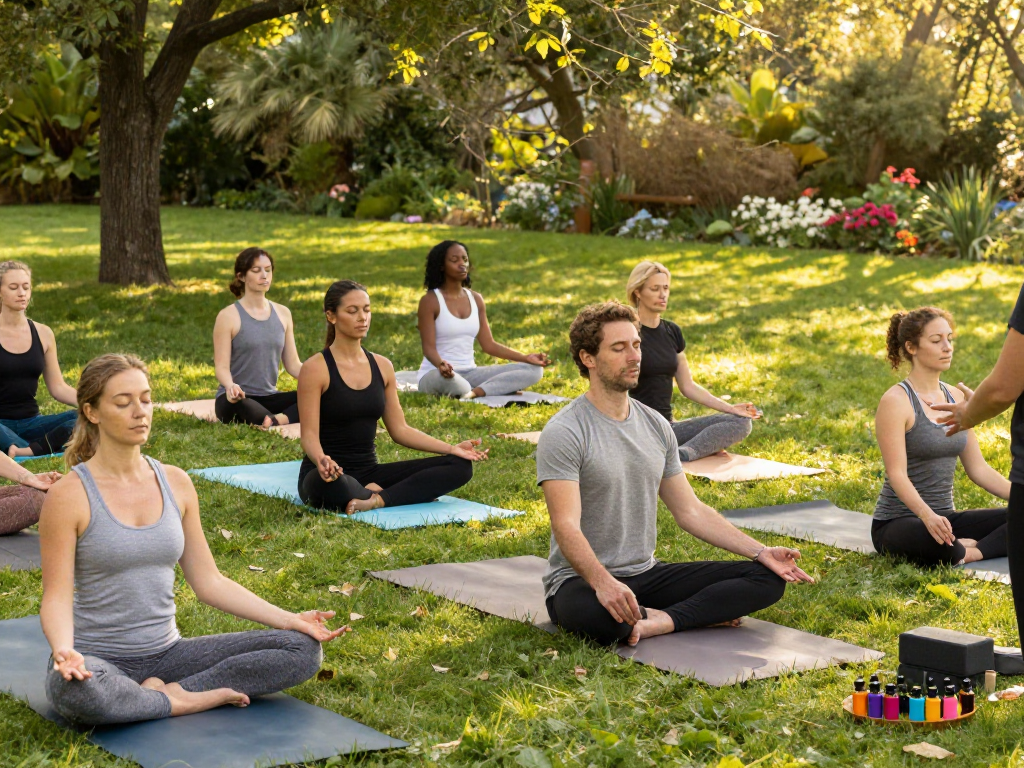
Absolutely. Group mindfulness sessions, such as classes or workshops, can enhance the experience by fostering a sense of community and shared learning.
How do I measure the effectiveness of my mindfulness practice?
Effectiveness can be gauged through self-reflection, tracking changes in mood and stress levels, and evaluating overall well-being. Journaling can be a useful tool for this purpose.