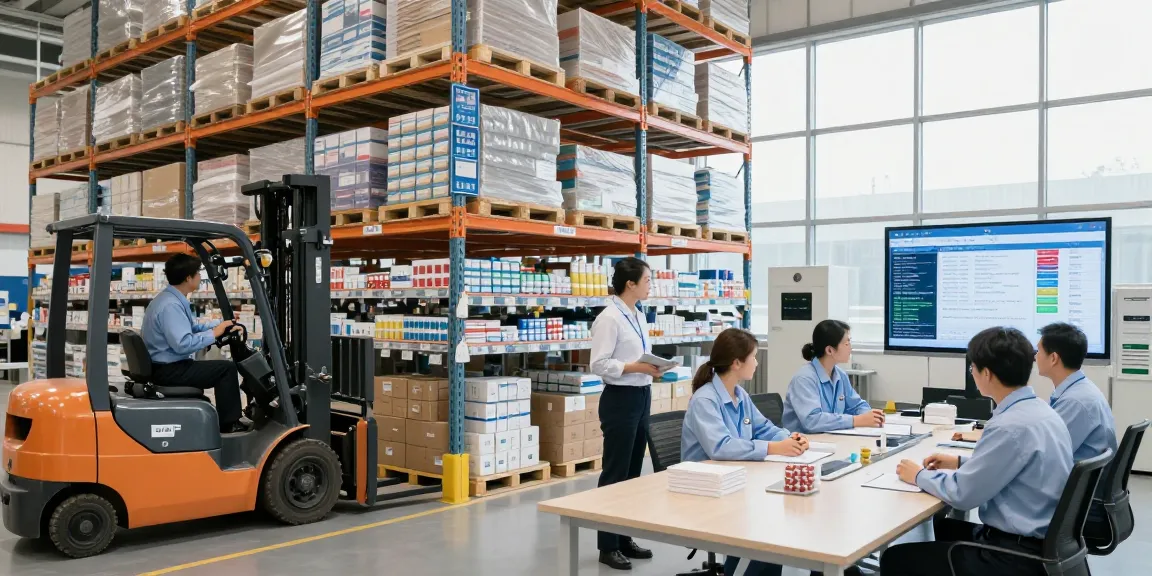
Overview of Pharmaceutical Warehousing Companies
In the dynamic landscape of the pharmaceutical industry, the role of a pharmaceutical warehousing company is paramount. These entities are designed to provide specialized storage solutions that adhere to stringent regulatory standards, ensuring the safety and efficacy of pharmaceutical products. The integration of advanced technologies, seamless logistics, and unparalleled quality assurance processes are just a few essential aspects that define these companies.
What Defines a Pharmaceutical Warehousing Company?
A pharmaceutical warehousing company serves as a critical component in the supply chain of the healthcare sector. Its primary function is to provide safe, compliant, and efficient storage of various pharmaceutical products, including drugs, medical devices, and biologicals. These companies operate under strict regulatory frameworks, ensuring compliance with national and international standards such as Good Manufacturing Practice (GMP) and the guidelines set by regulatory bodies like the South African Health Products Regulatory Authority (SAHPRA).
Key characteristics of a pharmaceutical warehousing company include:
- Licensing and Compliance: Operating under the guidelines set by health regulatory authorities, ensuring safety and efficacy.
- Specialized Facilities: Equipped with temperature-controlled environments and dedicated suites for sensitive products, such as oncology drugs.
- Advanced Security Measures: Implementing security seals, monitoring systems, and protocols to protect valuable stock.
- Inventory Management: Utilizing sophisticated inventory systems to track products, minimize waste, and ensure timely distribution.
Key Services Offered by Pharmaceutical Warehousing Companies
Pharmaceutical warehousing companies offer a myriad of services that go beyond mere storage. These services are tailored to meet the unique requirements of the pharmaceutical sector and include:
- Temperature-Controlled Storage: Ensuring that temperature-sensitive products are stored at optimal conditions.
- Cold Chain Logistics: Managing the transport of temperature-sensitive products through regulated environments.
- Repackaging and Labeling: Providing services such as reworks of packed stock and securing compliance through accurate labeling.
- Distribution Services: Facilitating efficient shipping and transportation logistics tailored to meet the needs of pharmaceutical companies.
- Quality Control: Regular inspections and audits to ensure compliance with GMP and safety standards.
Technologies Transforming Pharmaceutical Warehousing
As the pharmaceutical industry advances, so do the technologies employed by warehousing companies to enhance operational efficiency and ensure compliance. Continuous innovation is vital to meeting the changing demands of the pharmaceutical landscape.
Automation and Robotics in Warehousing Operations
Automation is revolutionizing the way pharmaceutical warehousing companies operate. Robotics in storage and retrieval systems can significantly increase efficiency by reducing human error and ensuring accurate inventory management. Automated guided vehicles (AGVs) are used for transporting goods, while robotic arms assist in picking and packing processes.
Data Analytics and Inventory Management Systems
Data-driven decision-making is becoming increasingly important in the pharmaceutical sector. Utilizing advanced analytics and inventory management systems allows companies to track inventory levels in real-time, anticipate demand fluctuations, and optimize stock levels. This not only mitigates risks associated with overstocking or stockouts but also enhances overall operational efficiency.
Temperature Control Technologies for Sensitive Products
Ensuring the integrity of temperature-sensitive products is crucial in pharmaceutical warehousing. Companies employ state-of-the-art temperature control technologies, including real-time monitoring systems that alert managers to any deviations from predefined storage conditions. This proactive approach ensures product quality and compliance with regulatory requirements.
Challenges Facing Pharmaceutical Warehousing Companies
While there are numerous advantages to operating in the pharmaceutical warehousing sector, companies encounter several challenges that can impact their efficiency and compliance.
Compliance with Regulatory Changes
The regulatory landscape in the pharmaceutical industry is constantly evolving, making it imperative for warehousing companies to stay informed and adaptable. Non-compliance can lead to significant financial losses, including fines and disruptions in operations. Investing in ongoing staff training and ensuring a comprehensive understanding of regulations is critical to navigating these changes successfully.
Managing Supply Chain Disruptions
Global supply chain disruptions can severely impact pharmaceutical warehousing companies. Factors such as geopolitical tensions, pandemics, and natural disasters can lead to delays in shipping and increased costs. Developing robust contingency plans and diversifying supply sources can help mitigate these risks.
Ensuring Product Quality During Storage and Distribution
Maintaining product quality during storage and distribution is paramount in the pharmaceutical industry. Temperature fluctuations, humidity, and contamination are significant concerns that require stringent quality assurance practices. Implementing comprehensive quality control protocols is essential to preserving the integrity of pharmaceutical products throughout their lifecycle.
Best Practices for Operational Efficiency
To maintain competitive advantage and ensure compliance, pharmaceutical warehousing companies must adopt best practices that enhance operational efficiency. Here are several key strategies:
Implementing Good Manufacturing Practices in Warehousing
Good Manufacturing Practices (GMP) are not only essential in manufacturing but also pivotal in warehousing operations. Establishing rigorous protocols for cleanliness, employee training, and equipment maintenance can significantly enhance product safety and quality.
Utilizing Lean Methodologies to Reduce Waste
Lean methodologies provide a framework for reducing waste and optimizing processes within pharmaceutical warehouses. By focusing on value-added activities and minimizing unnecessary steps, companies can improve efficiency, reduce costs, and enhance service delivery.
Staff Training and Safety Protocols
Regular staff training is critical to ensuring that employees are aware of the latest regulatory standards and safety protocols. A well-trained workforce can significantly reduce the risk of compliance issues and improve overall operational performance. Implementing safety protocols not only protects employees but also safeguards the integrity of the products being handled.
Future Trends in Pharmaceutical Warehousing for 2026 and Beyond
As we look towards the future, several trends are poised to shape the pharmaceutical warehousing industry, driving innovation and operational improvements.
Emerging Technologies Shaping the Industry
Technological advancement will continue to play a central role in the evolution of pharmaceutical warehousing. Innovations such as artificial intelligence (AI), machine learning, and blockchain are expected to enhance transparency, track and trace capabilities, and overall operational efficiencies.
Environmental Impact and Sustainability Practices
As environmental considerations become increasingly important, pharmaceutical warehousing companies will need to adopt sustainable practices. This can include reducing energy consumption, implementing eco-friendly packaging solutions, and optimizing transportation methods to minimize carbon footprints.
Predictions for Market Growth and Innovation
The pharmaceutical warehousing market is set for substantial growth as the demand for quality healthcare products increases globally. Companies that invest in technology, comply with regulations, and enhance operational efficiencies will be well-positioned to capitalize on emerging opportunities in the marketplace.