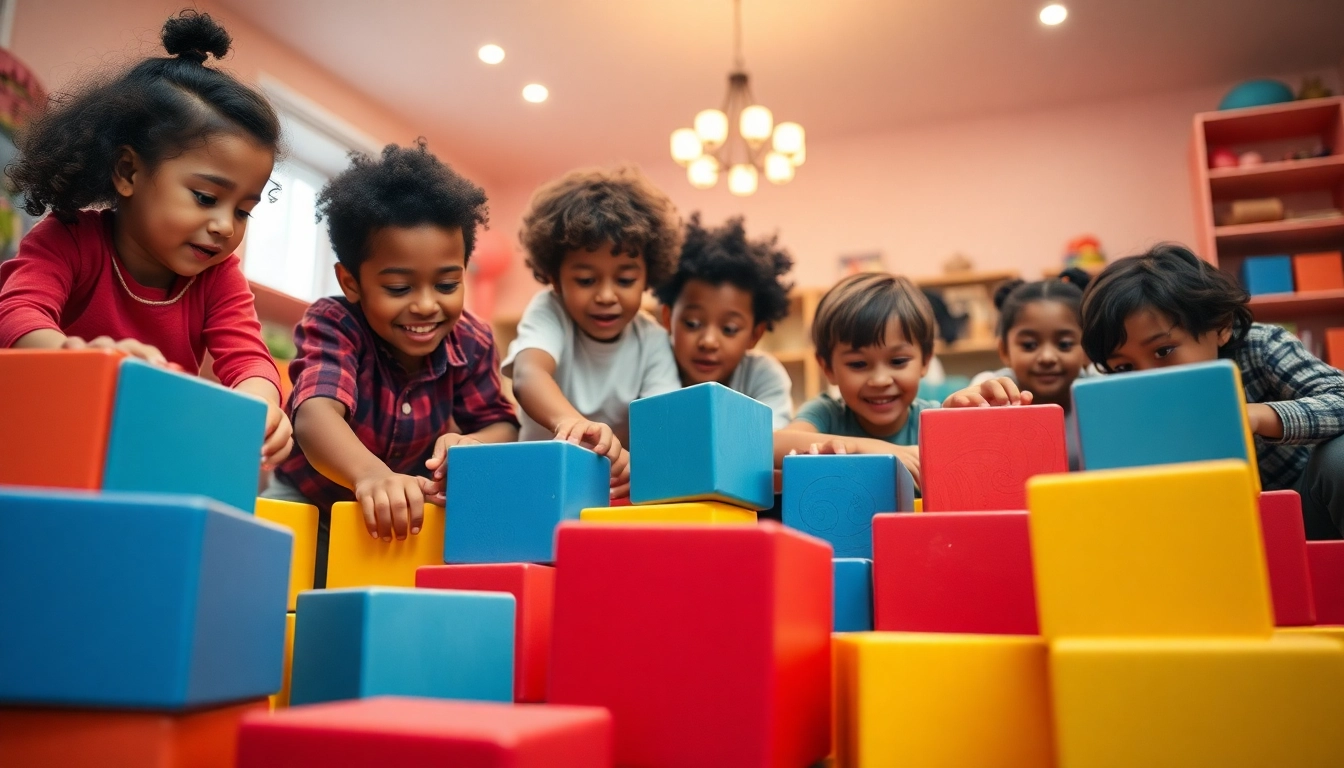
Introduction to Giant Building Blocks
Engaging young minds in play is critical for their development. One of the most versatile and enriching ways to achieve this is through giant building blocks. These oversized wonders not only serve as toys but also act as tools for creativity, problem-solving, and collaboration. The tactile nature of building blocks allows kids to explore their imagination while developing essential skills. To learn more about the advantages and uses of these blocks, you can discover more about the impactful role they play in childhood development.
What Are Giant Building Blocks?
Giant building blocks are large, usually lightweight, modular pieces designed for young children to stack, assemble, and manipulate. Made from various materials such as foam, plastic, or wood, these blocks come in different shapes, sizes, and colors, allowing for creative construction projects. They are designed to be safe for kids, providing a combination of durability and ease of handling. The playful nature of these blocks encourages exploration, inviting children to embark on imaginative building adventures that reflect their unique visions and ideas.
Benefits of Large Building Blocks for Kids
The benefits of giant building blocks extend beyond mere entertainment. Engaging with these larger than life toys offers numerous developmental advantages:
- Physical Development: Building with large blocks helps improve fine and gross motor skills as children grasp, lift, and assemble pieces.
- Cognitive Development: Problem-solving skills are fostered as kids figure out how to balance blocks and create stable structures.
- Creative Expression: Children express their ideas and visions, resulting in unique structures that can be both functional and artistic.
- Social Skills: Playing with others promotes teamwork, sharing, and communication as they collaborate on building projects.
How to Choose the Right Building Blocks
Selecting the appropriate building blocks involves considering factors like the child’s age, interests, and developmental needs. Here are key points to keep in mind when making your choice:
- Material Selection: Choose non-toxic and durable materials. Soft foam is ideal for toddlers, while sturdier plastic or wood blocks may suit older children.
- Size Matters: Ensure blocks are large enough to prevent choking hazards yet manageable for little hands to grasp.
- Theming: Consider themed blocks (like a construction set or animal shapes) to enhance imaginative play.
- Expansion Sets: Look for building sets that allow for growth, providing numerous ways to connect pieces over time.
Creative Play Ideas with Building Blocks
Building Competitions and Challenges
Organizing building competitions can be a thrilling way to engage children with giant blocks. Set up different challenges, such as who can build the tallest structure or the most creative design. These competitions not only spark creativity but also foster a spirit of friendly competition. Children learn to respect rules, take turns, and evaluate designs critically, thus sharpening their ability to think on their feet. Prizes can be simple, such as stickers or the title of "Master Builder," motivating kids to participate actively.
Role-Playing Scenarios with Blocks
Giant building blocks are perfect for role-playing scenarios that allow children to immerse themselves in different characters and worlds. Transform blocks into houses, castles, or even spaceships, encouraging kids to act out stories. By incorporating costumes and props, children can amplify their imaginative experiences. This type of play promotes storytelling, enhances communication, and supports emotional intelligence as they explore various roles and perspectives.
Collaborative Projects for Group Play
Building projects that require teamwork can significantly bolster collaboration skills in young children. Create large structures requiring multiple participants, such as a bridge or a village. Encourage children to assign roles (designer, engineer, builder) and communicate their ideas effectively. This promotes a sense of belonging and teamwork. Collaborative projects also teach kids the importance of compromise and sharing responsibilities, fostering interpersonal relationships.
Safety Considerations for Play
Age-Appropriate Block Selection
When choosing building blocks, always consider the safety and developmental level of the child. For toddlers, blocks should be large enough to prevent swallowing. For older children, incorporate varying sizes to challenge them without risking safety. Always check for small parts and ensure any product is compliant with safety regulations to provide peace of mind during play.
Safe Play Environment Setup
Creating a safe environment is crucial when children are playing with large blocks. Ensure that the playing area is free from sharp objects, hard surfaces, and hazards that might cause injury. Employ a designated play zone, ideally with soft flooring like mats or carpets. This not only ensures safety when children are climbing or falling but also encourages exploratory play without the fear of injury.
Regular Maintenance Tips
Regular checks on building blocks can prevent safety issues. Routinely inspect blocks for damage, sharp edges, or loose pieces. Clean blocks frequently to maintain hygiene, especially after playdates. A simple wash with mild soap and water or a wipe down with disinfectant can keep the blocks safe and inviting for the next play session.
Enhancing Learning Through Play
Incorporating Educational Themes
Integrate educational themes into building play to enhance learning significantly. For example, while playing, introduce concepts of shapes, colors, or basic math. Show children how to count blocks or talk about geometric shapes as they construct. Understanding these themes through play makes learning engaging and memorable, greatly enhancing retention.
Promoting STEM Skills with Building Blocks
Giant building blocks naturally foster core STEM skills (Science, Technology, Engineering, Mathematics). By tackling building challenges, children learn fundamental engineering principles—gravity, balance, and symmetry. Encourage them to experiment with different designs and structures, explaining underlying scientific concepts. This hands-on experience solidifies theoretical knowledge, laying the groundwork for future learning in these critical areas.
Social Skills Development
Group play with building blocks significantly contributes to the development of social skills. Children learn to interact with peers, express their thoughts, and collaborate on projects. Through negotiation and compromise, they navigate social dynamics, enhancing empathy and conflict resolution skills. Building together provides rich opportunities for kids to practice communication, fostering friendships and emotional connections.
FAQs About Giant Building Blocks
What age is suitable for giant building blocks?
Giant building blocks are suitable for a broad age range, typically from toddlers (1 year and up) to early elementary-aged children (7-8 years). Select age-appropriate blocks to ensure safety and engagement.
How can these blocks promote teamwork?
By engaging in group building projects, children learn to collaborate, communicate, and share ideas effectively, essential components for successful teamwork.
Are giant building blocks safe for indoor use?
Yes, as long as they are made from child-safe materials and are appropriately sized to prevent choking hazards. Creating a designated play area can enhance safety further.
What materials are best for large building blocks?
Foam, plastic, and natural wood are excellent materials for giant building blocks. They should be non-toxic, lightweight, and durable for maximum safety and fun.
How can we encourage kids to use their imagination?
Encourage imaginative play by suggesting themes or scenarios, providing costumes, and allowing freedom in creation. Creative prompts can spark innovative thinking in building projects.