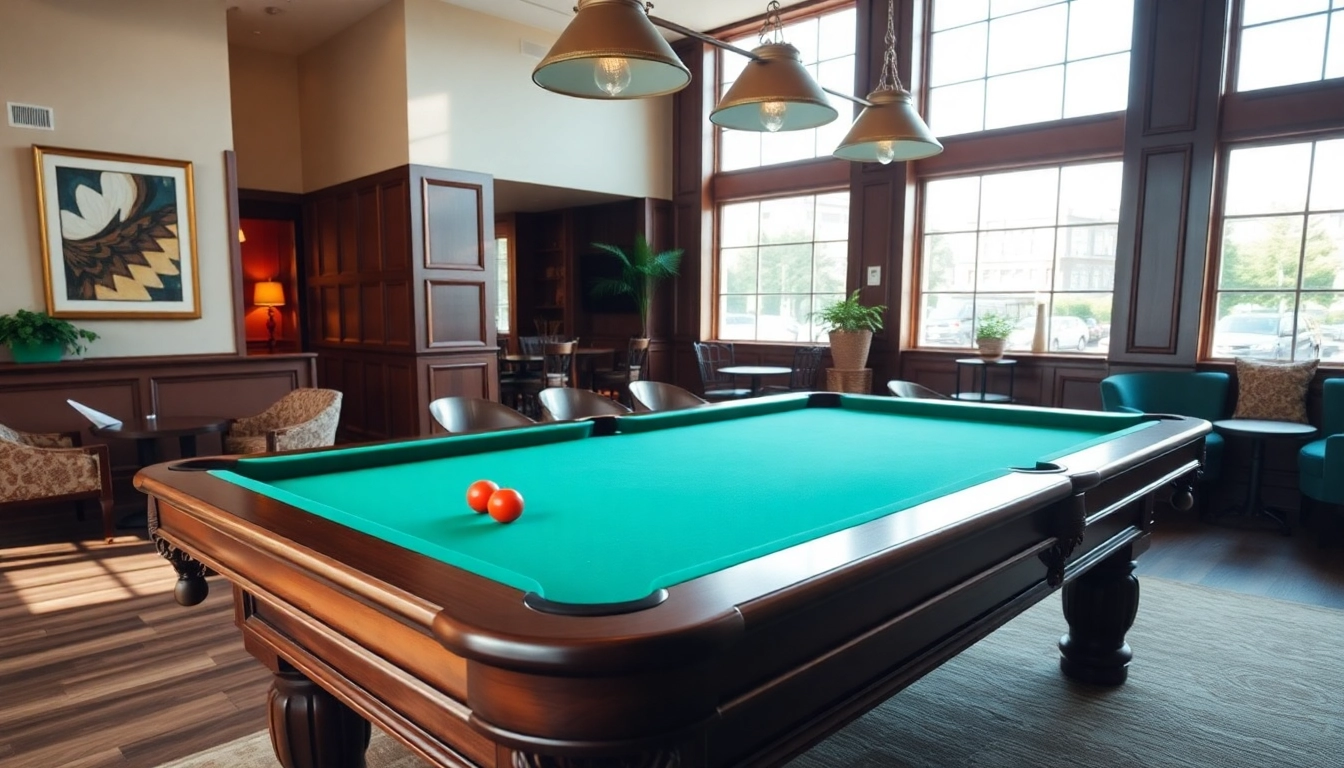
Purchasing a pool table can be an exciting endeavor, whether it's for your home game room, a bar, or a recreational space. However, the variety of options available can seem overwhelming. That's why it's crucial to break down your decision-making process into manageable steps. This comprehensive guide will walk you through essential factors to consider when you Buy Pool Tables, the different types available, features to look for, and tips for maintenance after your purchase.
Understanding Your Needs When You Buy Pool Tables
Assessing Space Requirements
Before you even begin to shop for a pool table, it’s essential to evaluate the space you have available. Measure the area where you intend to place the table, ensuring you account for not just the table itself, but also the space required for players to maneuver and cue properly. Generally, you'll want at least five feet of clearance around the table. Common sizes for home use include 7-foot, 8-foot, and 9-foot tables, each offering different gameplay experiences.
Determining Your Budget
Setting a budget is one of the most important steps in your pool table purchasing journey. Pool tables can vary widely in price, from a few hundred to several thousand dollars, depending on materials, size, and craftsmanship. It’s wise to consider not just the table cost but also additional expenses like accessories, installation, and maintenance. Determine what you’re willing to spend and keep it realistic while balancing quality with affordability.
Choosing Between New or Used Options
When considering your purchase, you’ll need to decide whether to buy a new or used pool table. New tables offer the latest technology and warranties but come at a premium price. On the other hand, used tables can be budget-friendly, but you should carefully inspect them for damage or wear, especially in crucial areas like the felt and slate. Ultimately, your decision will hinge on your priorities for quality, aesthetics, and your available budget.
Types of Pool Tables to Consider
Standard Sizes and Dimensions
Pool tables come in various sizes, typically categorized as 7-foot, 8-foot, or 9-foot. 8-foot tables are largely favored for home use due to their balance of size and playability. For more serious players, professional tournaments often use 9-foot tables. Consider how much room you have and how serious you expect your gameplay to be when deciding on a size.
Material Comparisons: Wood vs. Slate
The material of the table significantly impacts its gameplay quality. Most high-quality pool tables feature a slate playing surface, which allows for better ball roll and fewer inconsistencies than other materials. Tables constructed with solid wood provide superior durability and an aesthetic finish. Cheaper models often use particleboard, which may not deliver the same level of performance or longevity.
Style Preferences: Traditional vs. Modern
Your personal style will also play a critical role in your decision. Traditional pool tables often feature ornate designs and rich wood finishes, making them perfect for classic game rooms. On the contrast, modern tables may boast sleek lines and minimalistic designs, offering a more contemporary aesthetic. Evaluate your existing furnishings and choose a table that complements your space.
Essential Features to Look for When You Buy Pool Tables
Table Construction Quality
When it comes to the construction quality of a pool table, there are numerous factors to consider, including frame stability, leg quality, and surface material. A well-constructed frame and legs made from solid hardwood or heavy-duty metal will provide better sturdiness and longevity. The table's cloth should also be high-quality, usually made from wool or a wool-nylon blend, to ensure a proper playing experience.
Pocket Design and Size
Pool table pockets come in various designs and sizes, impacting gameplay and the types of shots you can take. Standard pockets are typically round or corner pockets, while some tables may feature "clean" pockets that provide a smooth visual appeal. Ensure that the pocket size suits your gameplay style—larger pockets may benefit beginners, whereas smaller options offer a greater challenge for seasoned players.
Included Accessories
Many pool tables come with essential accessories such as cues, balls, and chalk, but the quality of these included items can vary. When purchasing, consider whether you need additional items, such as a triangle rack or a scoreboard. Often, investing in high-quality accessories can elevate your gameplay and overall enjoyment of the pool table.
Where to Buy Pool Tables: Top Buying Options
Local Showrooms vs. Online Retailers
Choosing between local showrooms and online retailers can significantly impact your buying experience. Local showrooms allow you to physically inspect the table and get a feel for the materials and construction, but online retailers may offer a more extensive selection and better deals. Consider visiting showrooms to see options in person, but also explore online platforms for convenience and often lower prices.
What to Expect from Retail Experiences
When purchasing from a retail store, expect a hands-on experience where you can ask questions about quality, setup, and warranty details. The staff should be knowledgeable about the products they sell, helping you select the best option for your needs. In contrast, online shopping may lack this personal touch but allows you to read customer reviews and compare prices effortlessly.
Understanding Warranty and Customer Service
Warranties vary by manufacturer and retailer but are crucial to consider when making a significant investment like a pool table. A comprehensive warranty can cover defects and damages, providing peace of mind. Assess the customer service reputation of the retailer as well; excellent customer support can facilitate a smoother buying experience and enhance satisfaction after the purchase.
Maintenance Tips for Pool Tables After You Buy
Regular Cleaning Techniques
Proper maintenance is essential for keeping your pool table in prime condition. Regularly dust your table with a microfiber cloth and invest in a specialized pool table brush to keep the felt clean. You should also avoid placing drinks and food on the table to prevent staining and damage. For deeper cleaning, consider using a pool table cleaner designed specifically for the material of your table.
Identifying and Fixing Common Problems
Common issues include felt wear and tear, slate seams showing, and pocket damage. If you notice the felt is pilling or pulling away, it might be time to replace it. For slate seams, check to ensure they are tightly aligned to prevent uneven playing surfaces. Damaged pockets should be repaired promptly to avoid further issues during gameplay.
Long-term Care and Protection
To protect your investment over the long term, consider using a pool table cover when the table is not in use to fend off dust and debris. Regularly check for any basic repairs that may be needed and keep your tables in environments with consistent humidity levels; this will help maintain the integrity of the wood and felt.
FAQs About Buying Pool Tables
What size pool table is best for my space?
It depends on your available space. A 7-foot table is good for smaller areas, while 8-foot tables offer a middle-ground option. For serious players, a 9-foot table is typically preferred if space allows.
Can I buy a used pool table?
Yes, used pool tables can be a cost-effective option. Inspect them for quality and damage, particularly focusing on the felt and slate condition.
How long will my pool table last?
With proper maintenance, a good quality pool table can last for decades. Regular care and attention to repairs will extend its lifespan significantly.
What accessories do I need for my pool table?
Essential accessories typically include cues, balls, chalk, a triangle rack, and a brush. You can also consider a cover to protect the table when not in use.
How do I transport a pool table?
Transporting a pool table requires careful disassembly and reassembly to protect the slate and frame. Hiring professionals is recommended for safe relocation.