
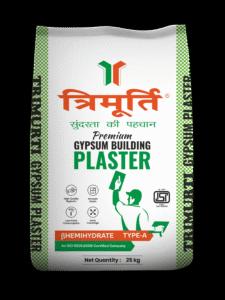
Construction and interior finishing have evolved significantly over the years, with homeowners and builders seeking materials that combine durability, efficiency, and aesthetic appeal. Choosing the right wall finishing solution plays a crucial role in determining the longevity and appearance of any space.
Whether you are constructing a new property or renovating an existing one, Plaster of Paris powder has become one of the most preferred materials for achieving smooth, elegant, and crack-resistant wall finishes. Its ease of application, quick setting time, and superior finish make it a practical choice for both residential and commercial projects. Understanding how gypsum plaster works and where it can be used will help you make an informed decision for your next construction project.
What Is Gypsum Plaster?
Gypsum plaster is a ready-to-use finishing material manufactured from naturally occurring gypsum minerals. The gypsum rock undergoes controlled heating to remove moisture before being finely ground into powder. When mixed with water, it forms a smooth paste that can be directly applied to walls and ceilings.
Unlike conventional cement plaster, gypsum plaster does not require additional curing with water, making it an efficient solution for modern construction. It offers excellent adhesion to surfaces such as bricks, concrete blocks, and RCC structures while producing a refined finish suitable for painting or wallpaper installation. Today, gypsum plaster has become a preferred option for architects, contractors, and interior designers who value speed, quality, and consistency in their projects.
Why Is Gypsum Plaster Gaining Popularity?
The increasing demand for faster construction without compromising quality has made gypsum plaster an ideal wall finishing material.
Some of the reasons behind its popularity include:
● Provides a perfectly smooth and even wall surface.
● Reduces construction timelines due to quick application.
● Eliminates the need for water curing after application.
● Minimises surface cracks compared to traditional plaster.
● Offers excellent fire-resistant properties.
● Improves thermal insulation inside buildings.
● Creates an ideal base for decorative paints and wall finishes.
These advantages contribute to lower labour costs and improved project efficiency, making gypsum plaster suitable for both small and large-scale developments.
Benefits of Choosing Gypsum Plaster
Superior Surface Finish
One of the biggest advantages of gypsum plaster is the flawless finish it provides. The smooth texture reduces the need for excessive putty application, allowing painters to achieve better results with minimal preparation.
Walls finished with gypsum plaster also maintain their appearance for longer, making interiors look brighter and more refined.
Faster Construction Process
Time is a valuable resource in every construction project. Since gypsum plaster sets much faster than cement plaster, builders can proceed with painting and other finishing activities sooner.
Additionally, the elimination of water curing significantly reduces waiting time and labour requirements.
Reduced Shrinkage Cracks
Traditional cement plaster often develops shrinkage cracks due to moisture loss during curing. Gypsum plaster experiences minimal shrinkage, resulting in stronger and more durable wall surfaces.
This makes it particularly suitable for premium residential and commercial interiors where aesthetics are important.
Lightweight Material
Gypsum plaster adds less dead load to the building structure compared to conventional plastering methods.
This characteristic makes it especially beneficial for high-rise buildings where reducing structural weight contributes to improved engineering efficiency.
Best Practices for Applying Gypsum Plaster
To maximise the performance of gypsum plaster, proper application techniques are essential. Even the highest-quality material can deliver unsatisfactory results if it is not mixed or applied correctly.
Here are a few best practices to ensure a durable and smooth finish:
● Use clean water while preparing the plaster mix.
● Mix only the quantity that can be applied within the recommended working time.
● Apply the plaster evenly to maintain a consistent thickness across the wall.
● Avoid adding extra water once the setting process has begun.
● Ensure proper ventilation during application and drying.
● Engage trained professionals for large-scale or technically demanding projects.
Following these practices helps achieve a uniform finish while reducing the chances of defects such as uneven surfaces or weak bonding.
Common Myths About Gypsum Plaster
Despite its growing popularity, several misconceptions still surround gypsum plaster. Understanding the facts can help builders and property owners make better construction decisions.
Myth 1: Gypsum Plaster Is Not Strong
Many people assume that gypsum plaster lacks durability because it is lightweight. In reality, when applied correctly, it forms a strong and long-lasting surface suitable for most interior applications.
Myth 2: It Is Only Suitable for Luxury Projects
Gypsum plaster is widely used across various types of construction, including homes, offices, schools, hospitals, and commercial buildings. Its efficiency and reduced labour requirements often make it a cost-effective choice for projects of all sizes.
Myth 3: It Requires Frequent Maintenance
Once properly applied and painted, gypsum plaster requires minimal maintenance. Routine cleaning and timely repairs of accidental damage are generally sufficient to preserve its appearance for years.
How to Maintain Gypsum-Plastered Walls
Maintaining gypsum-plastered walls is relatively simple and helps preserve their smooth appearance over time. Regular care ensures that walls retain their elegant finish while extending the lifespan of the plaster.
Some practical maintenance tips include:
● Clean walls gently using a soft, dry cloth or a lightly damp microfibre cloth.
● Address any leaks or moisture issues promptly to prevent damage.
● Use high-quality primers and paints for added protection.
● Avoid drilling or hammering unnecessarily into finished walls.
● Repair minor surface imperfections early before they become more noticeable.
Conclusion
Smooth, durable, and aesthetically pleasing walls contribute significantly to the overall value and appeal of any building. By understanding the advantages, applications, and maintenance requirements of gypsum plaster, property owners can make informed decisions that enhance both functionality and appearance. Choosing quality products such as Trimurti gypsum plaster further supports long-lasting performance, efficient construction, and professional results that stand the test of time.
For dependable construction materials backed by industry expertise, Trimurti continues to support builders, contractors, and homeowners with solutions designed to simplify every stage of a project. They focus on delivering reliable products, practical guidance, and prompt service, ensuring their customers receive consistent quality while staying on schedule and within budget. Their commitment to building long-term relationships and supporting successful construction outcomes makes them a trusted choice for a wide range of building requirements.