Understanding HKEX Market Data and Its Importance
The Hong Kong Exchange (HKEX) stands as a pivotal financial hub within the Asian market, offering a plethora of investment opportunities and market activities. As blockchain technology fundamentally changes the landscape of finance, the relevance of real-time market data cannot be understated. The ability to connect to HKEX market data empowers traders and researchers alike to make data-driven decisions based on accurate and instantaneous information. This article dives into the various facets of HKEX market data, its essentiality in trading, and how to seamlessly access it for maximizing investment performance.
What is HKEX and Why It Matters?
The Hong Kong Stock Exchange (HKEX) is one of the largest stock exchanges in the world, known for its rich mix of asset classes and its deep liquidity. It connects global investors to the vibrant Asian market, attracting significant capital flows. HKEX plays a crucial role not only for local traders but also for international investors seeking access to the fast-growing economies in Asia. Its influence extends beyond equities to include ETFs, bonds, derivatives, and commodities, making it essential for comprehensive market analysis.
The Role of Real-Time Data in Trading
Real-time data is the lifeblood of effective trading strategies in modern financial markets. Accurate and instantaneous data provides traders with insights into market trends, price fluctuations, and order book dynamics, which can drastically impact trading outcomes. For instance, high-frequency trading strategies rely heavily on real-time data to execute trades within fractions of a second based on minute price changes. This rapid access to market information enables traders to identify profitable opportunities and react accordingly to market events.
How to Access HKEX Market Data Seamlessly
Accessing HKEX market data has never been easier for developers and traders. Various APIs, such as the iTick Stock API, offer comprehensive real-time and historical data feeds through RESTful and WebSocket protocols. These APIs allow you to integrate market data directly into your own systems, enhancing your trading platforms and research tools. By utilizing these interfaces, users can achieve lower latency, better data coverage, and more competitive pricing, which are crucial for quantitative trading and investment research.
Setting Up Your Trading Environment
Essential Hardware for Crypto Trading
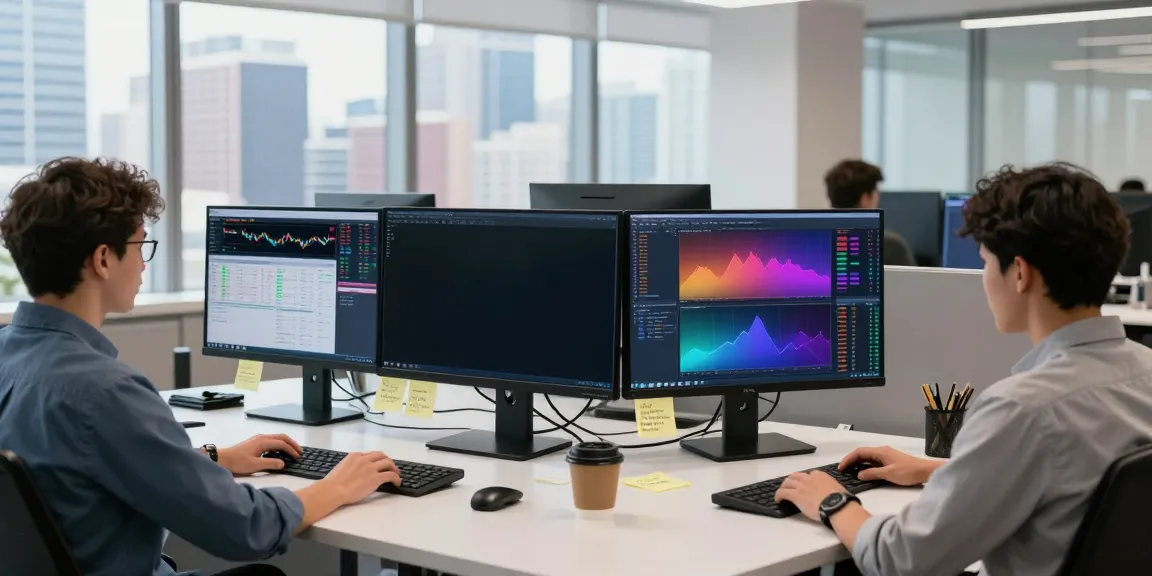
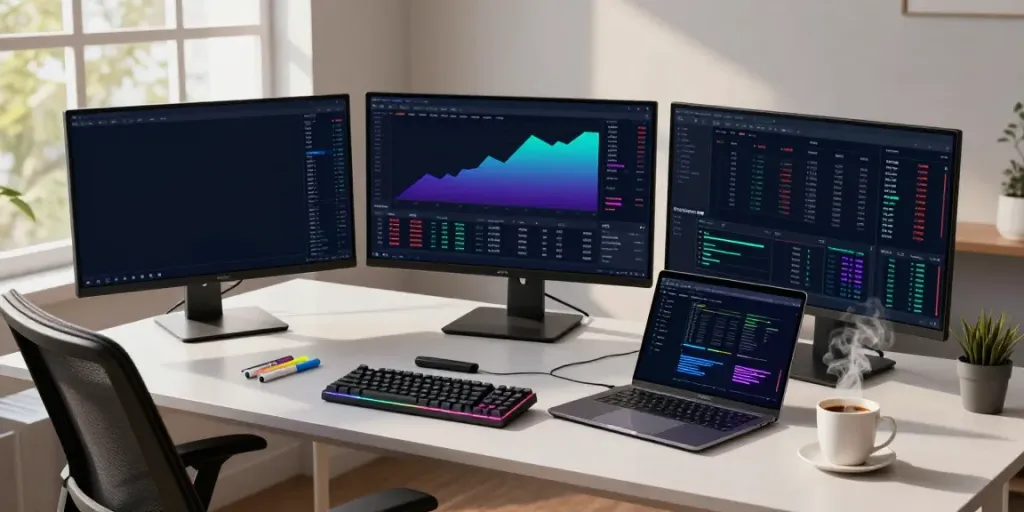
Creating an efficient trading environment starts with the right hardware. Traders require powerful computers that can handle multiple applications and data streams simultaneously. Depending on the complexity of your trading strategies and the volume of data, a robust processor, ample RAM, and high-speed internet are essential. For serious traders, dedicated servers or Virtual Private Servers (VPS) can offer the speed and reliability necessary for automated trading systems.
Best Trading Software and Platforms
Choosing the right trading platform is critical for success. Many platforms provide integrated tools for market analysis, portfolio management, and trade execution. Traders can opt for well-established platforms that offer extensive features including backtesting capabilities, real-time alerts, and seamless API access, such as MetaTrader or TradingView. Additionally, platforms that cater specifically to cryptocurrency trading have emerged, offering unique functionalities tailored for blockchain assets.
Integrating HKEX Data into Your Systems
Integrating HKEX data feeds into your trading software can significantly enhance your analytical capabilities. The process usually involves API documentation to facilitate smooth data retrieval. Traders should focus on mastering the necessary programming languages—typically Python, JavaScript, or C#—to manipulate and visualize the data effectively. Whether you trade stocks, ETFs, or derivatives, having a strong grasp of the data integration process will optimize your trading strategies.
Developing Effective Trading Strategies
Utilizing HKEX Data for Market Analysis
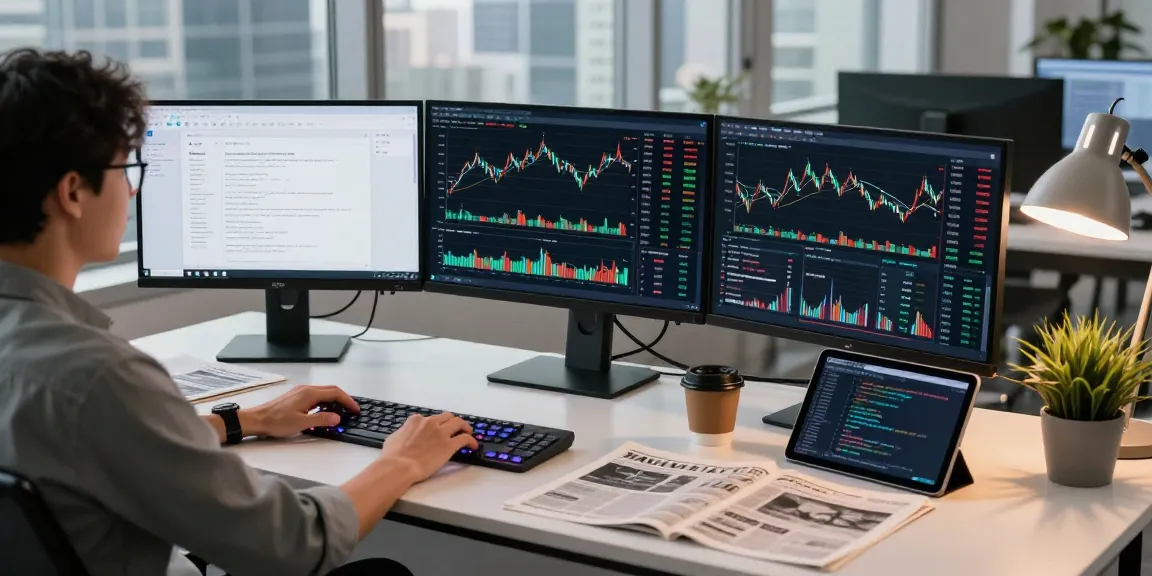
Data from HKEX can be leveraged for various analytical approaches. Traders can perform technical analysis using price charts and historical data to identify patterns and market indicators. Fundamental analysis can also be supported through market data, allowing traders to evaluate the financial health and performance of companies listed on the exchange. By combining these strategies, traders can develop a comprehensive approach to market engagement.
Technical Analysis Tools and Practices
Mastering technical analysis is crucial for navigating the stock market effectively. Tools such as moving averages, Relative Strength Index (RSI), and Moving Average Convergence Divergence (MACD) provide a framework for analyzing price movements and predicting potential reversals or continuations. Additionally, traders should familiarize themselves with support and resistance levels, which serve as important psychological market barriers where price trends might pause or reverse.
Backtesting Your Trading Strategies
Backtesting is a vital process that allows traders to evaluate the effectiveness of their strategies using historical data. By simulating trades based on past market conditions, traders can identify strengths and weaknesses in their approach. Backtesting involves programming trading rules, executing trades on historical data, and analyzing the results to improve future performance. Good backtesting practices incorporate comprehensive metrics, including drawdown analysis and win-loss ratios.
Security Best Practices in Crypto Trading
Protecting Your Investments and Data
As the cryptocurrency landscape grows more complex, securing investments becomes paramount. Traders must adopt rigorous security measures, including the use of hardware wallets for cold storage of assets, which minimizes the risk of online breaches. Implementing two-factor authentication (2FA) adds another layer of security, ensuring that accounts are protected against unauthorized access. Regularly updating passwords and using unique keys for different exchanges can provide additional safeguards against cyber threats.
Understanding Security Protocols for APIs
API security is often overlooked but is critical for safeguarding sensitive trading data. It's essential to use secure APIs that utilize standard protocols, such as OAuth 2.0 for authorization and HTTPS for secure communication. Traders should also be aware of potential vulnerabilities that could lead to data leaks and adopt practices like rate limiting and IP whitelisting to reduce exposure to attacks.
Mitigating Risks and Avoiding Scams
The cryptocurrency market is rife with potential scams and pitfalls, including phishing attacks and Ponzi schemes. To mitigate risks, traders should conduct due diligence, using checklists to identify red flags. Engaging with reputable community circles and assessing the credibility of teams behind projects can also help in avoiding scams. Knowledge and vigilance are key to navigating the landscape safely.
Regulatory Compliance and Future Trends
2026 Compliance Landscape for Cryptocurrency Traders
As regulations evolve, staying compliant is crucial for traders engaging in cryptocurrencies. The 2026 landscape anticipates stricter oversight from bodies like the SEC and CFTC, particularly regarding derivatives and securities classifications. Additionally, the implementation of MiCA regulations in the EU will streamline the regulatory environment for digital assets, ensuring clearer guidelines for market participants. Traders must stay informed and compliant as regulations adapt to safeguard financial ecosystems.
Impact of Global Regulations on HKEX Data
Global regulatory frameworks will inevitably influence the way HKEX data is utilized. Compliance with Anti-Money Laundering (AML) and Know Your Customer (KYC) regulations will dictate data access and usage across various jurisdictions. These laws aim to enhance market integrity and protect investors, thereby affecting trading strategies and data applications. Traders should incorporate compliance into their operational processes to avoid complications stemming from regulatory scrutiny.
Future Innovations in Market Data Technology
The financial technology landscape is continually evolving, with innovations such as AI-driven analytics, machine learning algorithms, and blockchain interoperability becoming increasingly popular. These technologies promise to enhance market data processing capabilities, enabling traders to extract actionable insights efficiently. As we approach 2026, the integration of these technologies into trading environments will redefine how traders interact with market data.
What Should Traders Watch in 2026?
As we look toward 2026, several trends are poised to affect traders significantly. The rise of decentralized finance (DeFi) platforms, advancements in cross-chain protocols, and evolving security frameworks will play a crucial role in shaping market dynamics. Additionally, keeping an eye on regulatory developments and emerging technologies will help traders stay ahead of the curve and adapt their strategies accordingly.