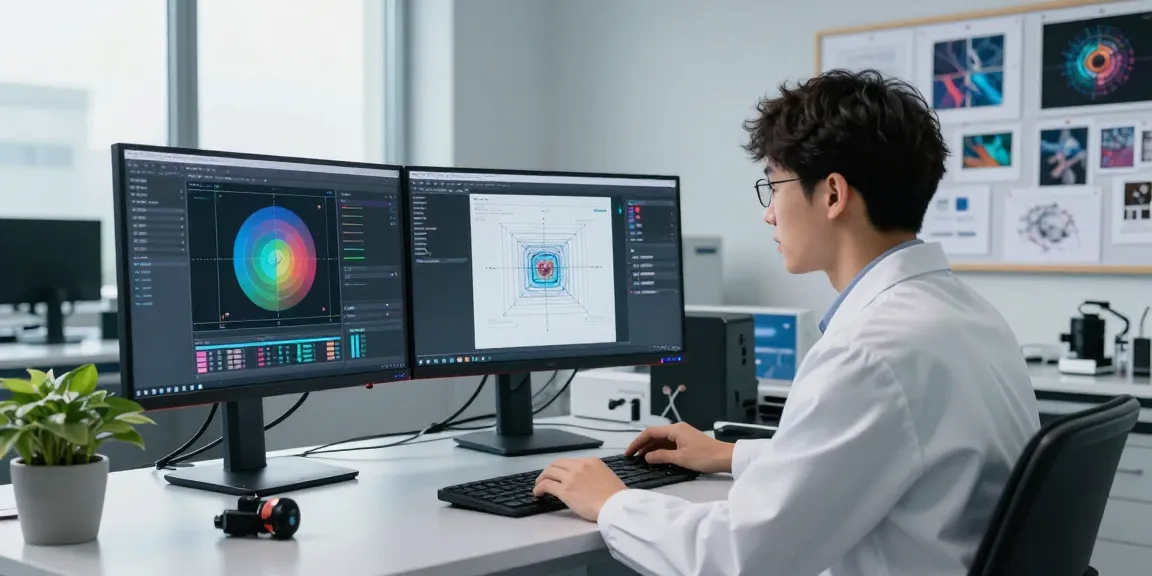
Understanding AI Image Detector Technology
As advancements in artificial intelligence proliferate, the rise of AI-generated images creates both opportunities and challenges across various sectors. An AI Image Detector becomes essential for discerning between authentic and synthetic visuals. In this article, we delve into the mechanics of AI image detectors, their applications, and their significance in today's digital landscape.
What is an AI Image Detector?
An AI Image Detector is a sophisticated tool designed to determine the authenticity of images by identifying whether they were generated by artificial intelligence algorithms. These detectors utilize machine learning techniques to analyze various attributes of an image, such as pixel distribution, color patterns, and texture analysis, to ascertain its origin. The technology is crucial in environments where image integrity is paramount, such as journalism, social media, and legal proceedings.
How AI Image Detectors Work
The functioning of AI image detectors is rooted in complex algorithms that compare input images against a vast database of known characteristics of both AI-generated and human-created visuals. Techniques such as convolutional neural networks (CNNs) are often employed to enhance detection accuracy. Upon analyzing an image, the detector provides a probability score indicating the likelihood that the image is AI-generated. This process involves:
- Feature Extraction: Identifying specific image features that differ between AI-generated and human-made images.
- Classification: Using trained models to categorize the image into distinct classes, such as 'AI-generated' or 'authentic.'
- Verification: Presenting the results to the user, often accompanied by helpful visuals or comparisons.
Common Applications of AI Image Detection
AI image detectors are employed in various fields, with notable applications including:
- Journalism: Ensuring the integrity of images used in articles and reports by verifying their authenticity.
- Social Media: Assisting platforms in identifying and managing misleading content and deepfakes to protect users.
- Legal Proceedings: Providing evidence regarding the authenticity of digital assets in court cases.
- Marketing: Helping brands assess user-generated content for authenticity before sharing it publicly.
Advantages of Using AI Image Detectors
High Accuracy Rates Compared to Competitors
One significant advantage of modern AI image detectors is their high accuracy rate, often surpassing traditional image verification methods. By leveraging state-of-the-art machine learning algorithms, these tools can analyze large datasets and improve their detection capabilities over time. This adaptability ensures that they remain effective in evolving landscapes where AI-generated content becomes increasingly sophisticated.
Real-Time Analysis and Processing
AI image detectors can process images in real-time, providing immediate feedback on authenticity. This capability is crucial in scenarios where rapid decision-making is necessary, such as moderating live-streaming content or validating images shared on social media platforms.
User-Friendly Interfaces for Non-Experts
The user interfaces of many AI image detectors are designed for accessibility, allowing individuals without technical expertise to utilize the technology effectively. Intuitive dashboards and straightforward workflows simplify the verification process, making these tools valuable across various sectors, from education to corporate environments.
Challenges and Limitations of AI Image Detectors
Common Misconceptions Regarding Detection Accuracy
Despite advancements, misconceptions about the capabilities of AI image detectors persist. Many users assume these tools provide infallible results; however, while they significantly enhance the identification process, no tool is entirely foolproof. Users must remain cautious and not rely solely on detection scores.
Limitations in Identifying Deepfake Images
Deepfake technology continues to evolve, posing unique challenges for current AI image detectors. Some detectors may struggle to accurately identify deepfakes, especially as the algorithms behind such images improve. Continuous training and updates are necessary for detectors to keep pace with these advancements.
Addressing Privacy Concerns Associated with AI Detection
Privacy concerns are another critical issue as AI image detectors often require access to user data and images for analysis. Organizations must implement robust privacy policies to protect user information while ensuring compliance with regulations such as GDPR. Transparency in the use of AI detection technology can foster user trust.
Best Practices for Implementing AI Image Detectors
Integrating AI Detection Into Workflow
Successful integration of AI image detection technology involves embedding these tools into existing workflows. Organizations should assess their specific needs and determine how image verification can enhance their operations, whether through automated checks or manual reviews.
Choosing the Right AI Image Detector for Your Needs
With numerous AI image detectors available, selecting the right tool requires careful consideration of factors such as:
- Accuracy: Evaluate the detection rates of different platforms based on user reviews and case studies.
- Speed: Consider how quickly the detector processes images, especially for real-time applications.
- User Experience: A user-friendly interface enhances adoption and efficiency among staff.
- Support and Updates: Choose a provider that updates their technology regularly and offers robust technical support.
Training Staff to Use AI Detection Tools Effectively
To maximize the benefits of AI image detectors, organizations should invest in training staff on how to use these tools proficiently. This includes understanding the technology’s capabilities, interpreting results, and knowing when to seek further verification.
The Future of AI Image Detection in 2026 and Beyond
Emerging Trends in AI Image Detection Technology
The landscape of AI image detection is rapidly evolving, with emerging trends likely to impact its future significantly. Trends include:
- Enhanced Machine Learning Models: Continued improvements in algorithms will lead to higher detection rates and more nuanced understanding of image attributes.
- Integration with Blockchain: Blockchain technology may provide verifiable proof of image authenticity, further enhancing trust in digital media.
- Cross-platform Functionality: Enhanced capabilities might support detection across various formats, including videos and augmented reality content.
Predictions for AI Image Detector Capabilities
By 2026, we can anticipate AI image detectors will become far more adept at distinguishing between human-created and AI-generated content. They may incorporate multimodal analysis, allowing them to evaluate images in conjunction with metadata, such as timestamps and context, improving the overall detection process.
Potential Impact on Various Industries
The effects of advanced AI image detectors will ripple across numerous sectors. In advertising, for instance, these tools could help brands maintain authenticity and trust with consumers. Similarly, in academia, they could prevent the spread of misinformation by ensuring the accuracy of visual materials used in research.
What is an AI Image Detector and how does it work?
AI Image Detectors function by utilizing machine learning algorithms to analyze images, determining their origins through various features and patterns.
Are AI Image Detectors reliable for professional use?
While generally reliable, AI Image Detectors should be used as one part of a broader verification strategy, especially in high-stakes environments.
What industries benefit most from AI Image Detectors?
Industries such as journalism, marketing, legal, and social media benefit significantly from AI image detection technology.
How can I choose the best AI Image Detector for my needs?
Evaluate potential detectors based on accuracy, speed, ease of use, and support to find the best fit for your specific requirements.
What future advancements are expected in AI Image Detection?
Future advancements may include increased detection accuracy, real-time analysis of various media formats, and integration with other emerging technologies like blockchain.